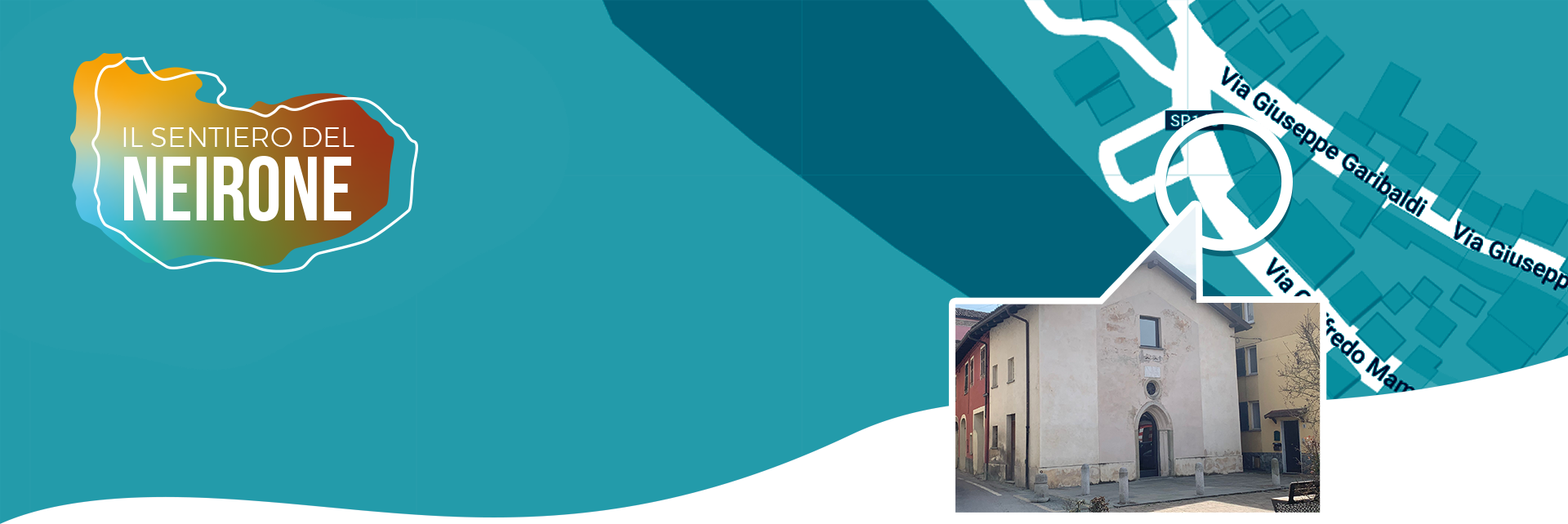
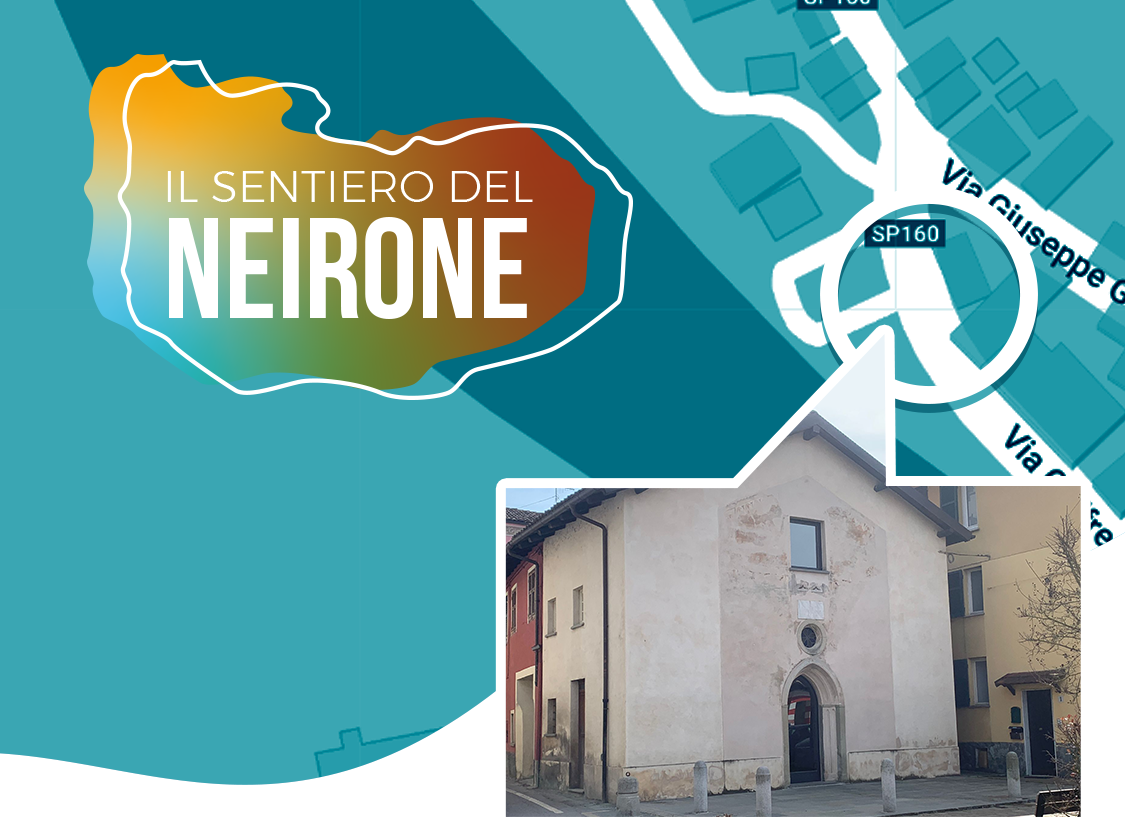


CHIESETTA DI SANT’ANTONIO IN GAVI
There are three oratories in Gavi which preserve valuable works of art and which are headquarters of three ancient Confraternities, public associations of the faithful, still very active today in pursuing and spreading the faith in Christ and preserving ancient traditions.
The three oratories take their name from the color of the hoods worn by the brothers during processions or religious rites, but they also have their own dedications:
The Rossis have a church dedicated to the Holy Trinity.
The Turchinis have a church dedicated to the Madonna Assunta which they celebrate every year on August 15th.
The Bianchis have the Oratory dedicated to Saints Giacomo and Filippo and theirs is also called Archconfraternity `Morte et Oratione’ and its origins date back to 1399.
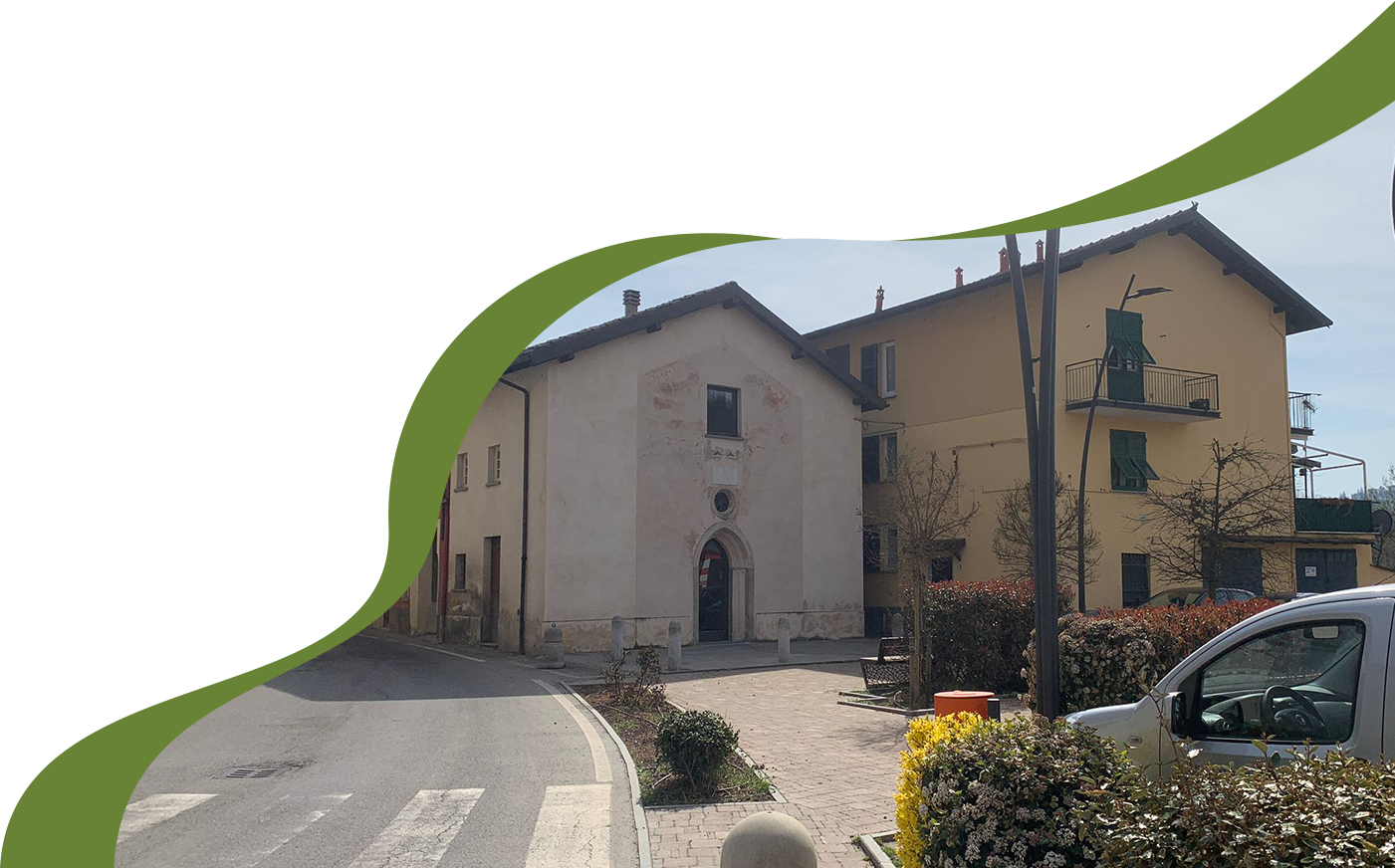
CHIESETTA DI SANT’ANTONIO IN GAVI
There are three oratories in Gavi which preserve valuable works of art and which are headquarters of three ancient Confraternities, public associations of the faithful, still very active today in pursuing and spreading the faith in Christ and preserving ancient traditions.
The three oratories take their name from the color of the hoods worn by the brothers during processions or religious rites, but they also have their own dedications:
The Rossis have a church dedicated to the Holy Trinity.
The Turchinis have a church dedicated to the Madonna Assunta which they celebrate every year on August 15th.
The Bianchis have the Oratory dedicated to Saints Giacomo and Filippo and theirs is also called Archconfraternity `Morte et Oratione’ and its origins date back to 1399.
It is the oldest of the Oratories and originated from a group from Provence, the “flagellants“. The tasks of the Confraternity of the Whites were the burial of the less well-off deceased and of the prisoners of the Fort, the management of the hospital, which gave hospitality to the most disadvantaged, and of Monte del Grano.
The Feast of the Confraternity with the traditional procession, where the men wear black hoods and the women are dressed in black, is celebrated on the Sunday of the Octave of Corpus Domini.
The Chapel of San Rocco and the Chapel of S. Antonio Abate also depended on the Bianchis.
The latter stood in Piazza del Palazzo, which in Gavi dialect was and is still called Paraso, because the Palazzo del Podestà and the Lords of Gavi stood there, which was destroyed, as tradition says, by fury of the people, sowing salt on it.
It is the oldest of the Oratories and originated from a group from Provence, the “flagellants“. The tasks of the Confraternity of the Whites were the burial of the less well-off deceased and of the prisoners of the Fort, the management of the hospital, which gave hospitality to the most disadvantaged, and of Monte del Grano.
The Feast of the Confraternity with the traditional procession, where the men wear black hoods and the women are dressed in black, is celebrated on the Sunday of the Octave of Corpus Domini.
The Chapel of San Rocco and the Chapel of S. Antonio Abate also depended on the Bianchis.
The latter stood in Piazza del Palazzo, which in Gavi dialect was and is still called Paraso, because the Palazzo del Podestà and the Lords of Gavi stood there, which was destroyed, as tradition says, by fury of the people, sowing salt on it.
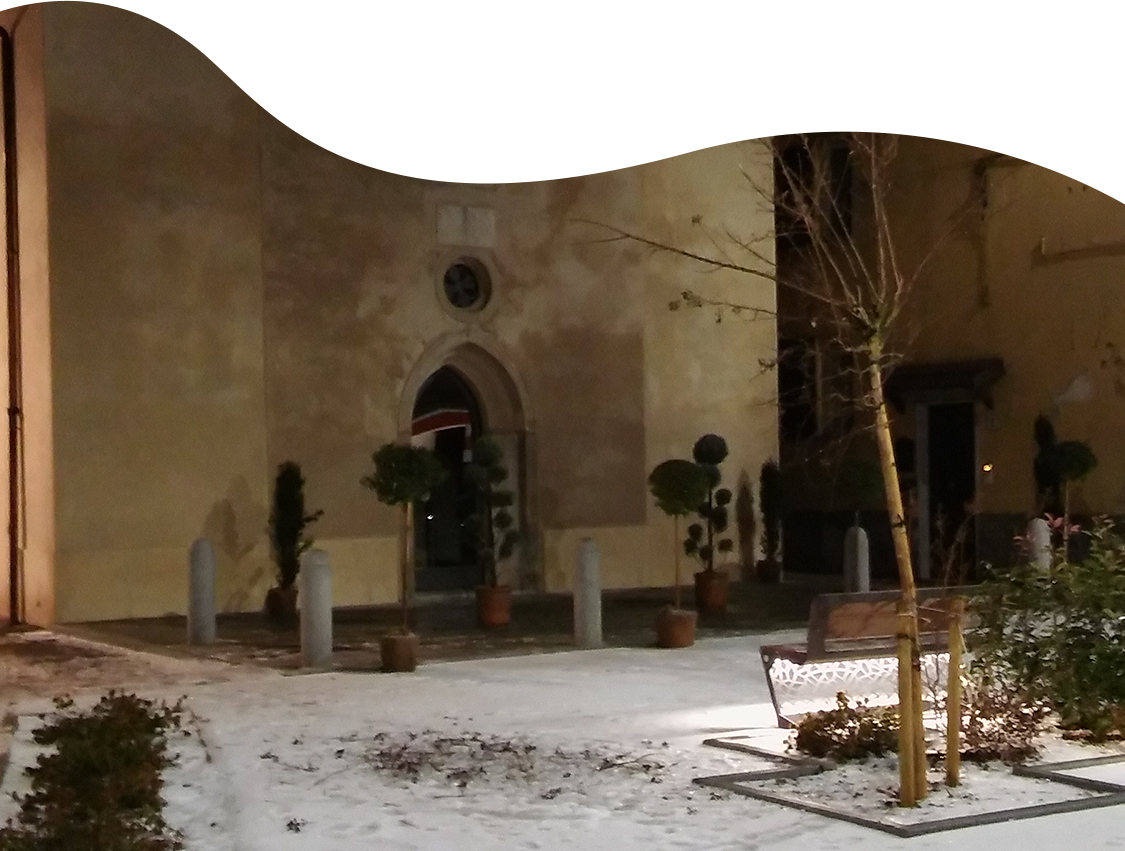
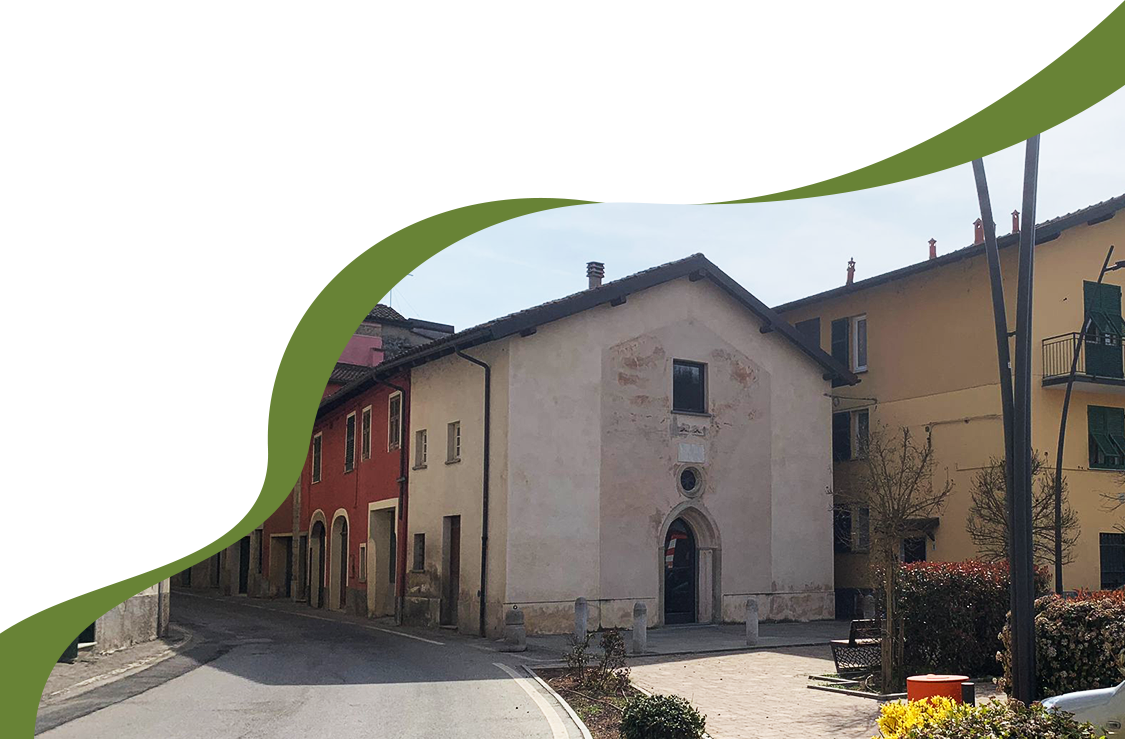
The small church formerly dedicated to Sant’Antonio Abate and now to the Immaculate Virgin existed until to 1771. In 1870, as Remondini wrote (Chronology of the Archpriests of Gavi), “Signor Pasquale Bertelli, nephew of the priest Tomaso, canon of the Vigne, had it rebuilt and blessed.
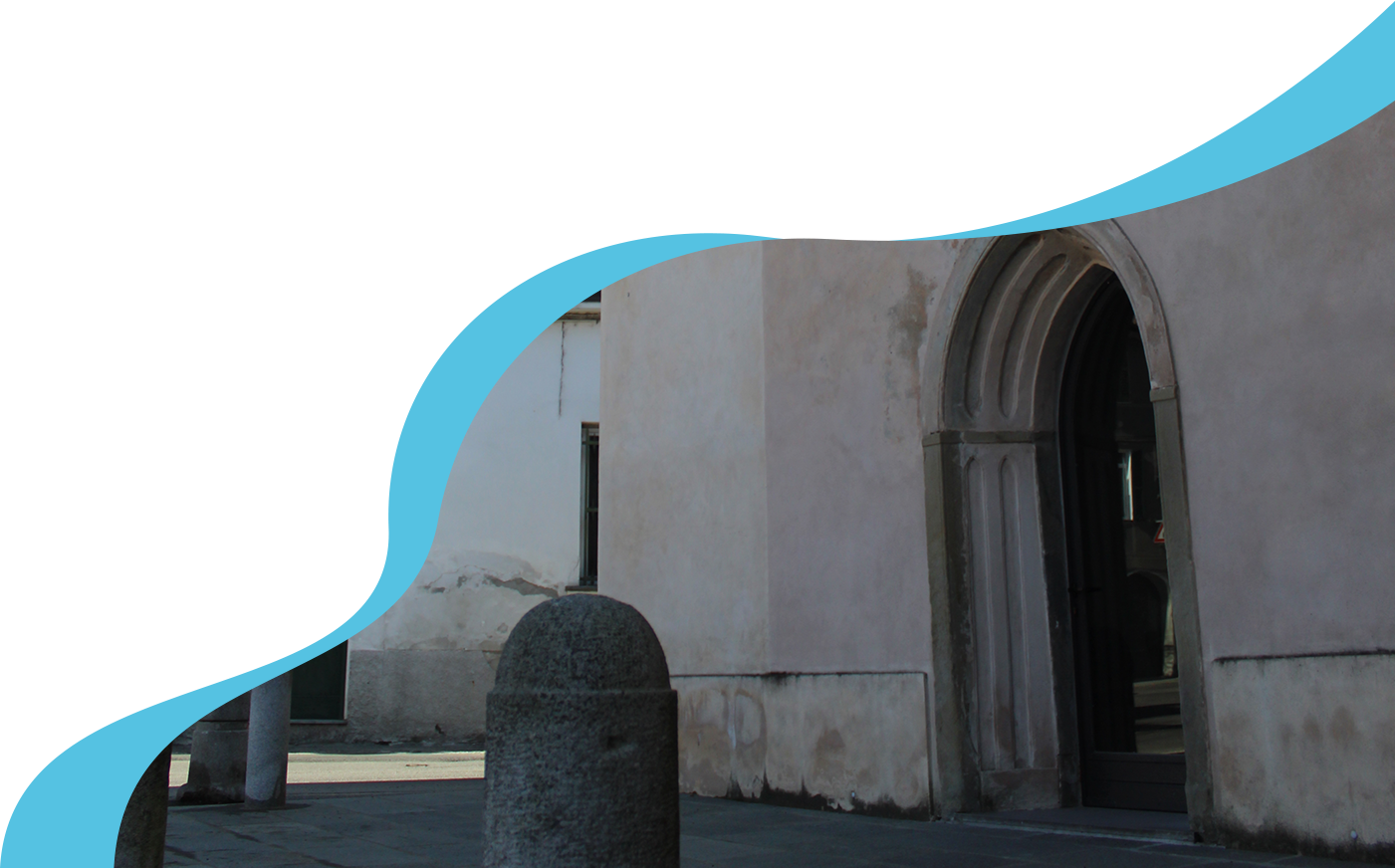
The small church formerly dedicated to Sant’Antonio Abate and now to the Immaculate Virgin existed until to 1771. In 1870, as Remondini wrote (Chronology of the Archpriests of Gavi), “Signor Pasquale Bertelli, nephew of the priest Tomaso, canon of the Vigne, had it rebuilt and blessed.
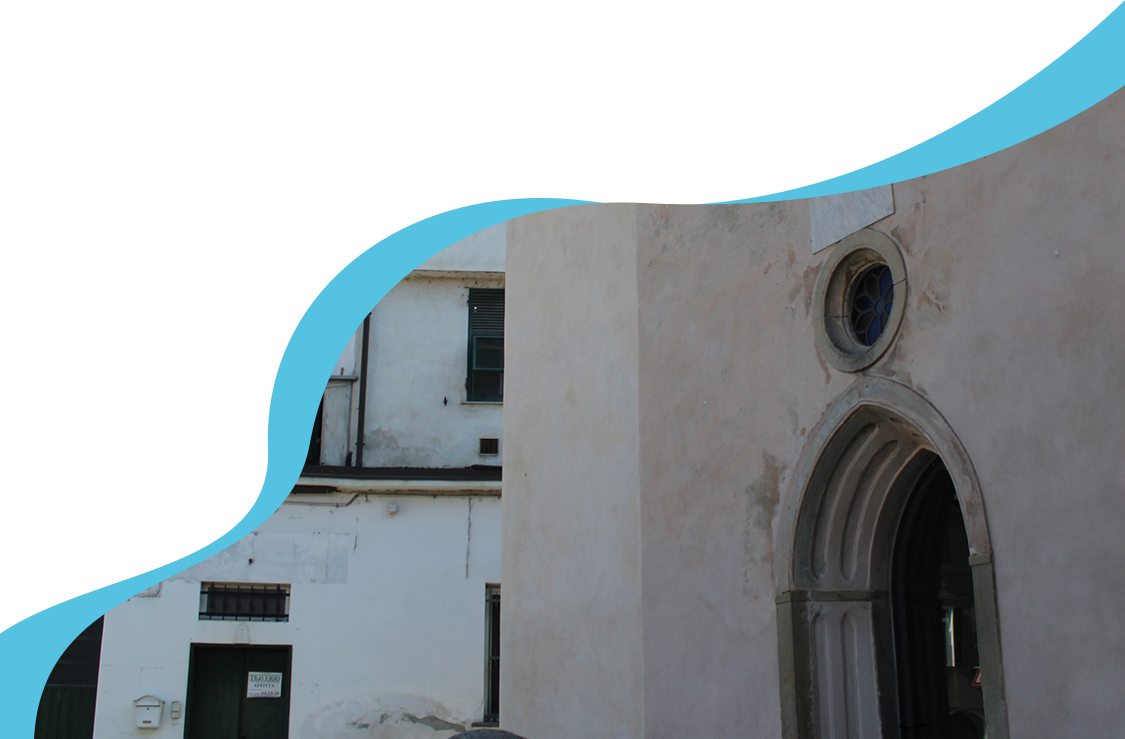
In 1977 the Confraternita dei Turchini sold the church to Mr. Molinari who used it as a warehouse for his grocery store, while leaving the decorative and architectural part of the interior with the adjoining Sacristy unchanged.
The church has a single hall plan, with a fully painted ribbed vault. On the sides of the altar (now disappeared) there are two openings, one towards the sacristy, the other giving access to the rooms towards the attic.
Probably deconsecrated around the seventies, then used for different uses and left to decay towards a state of degradation, it was acquired by the Municipality which renovated the interior.
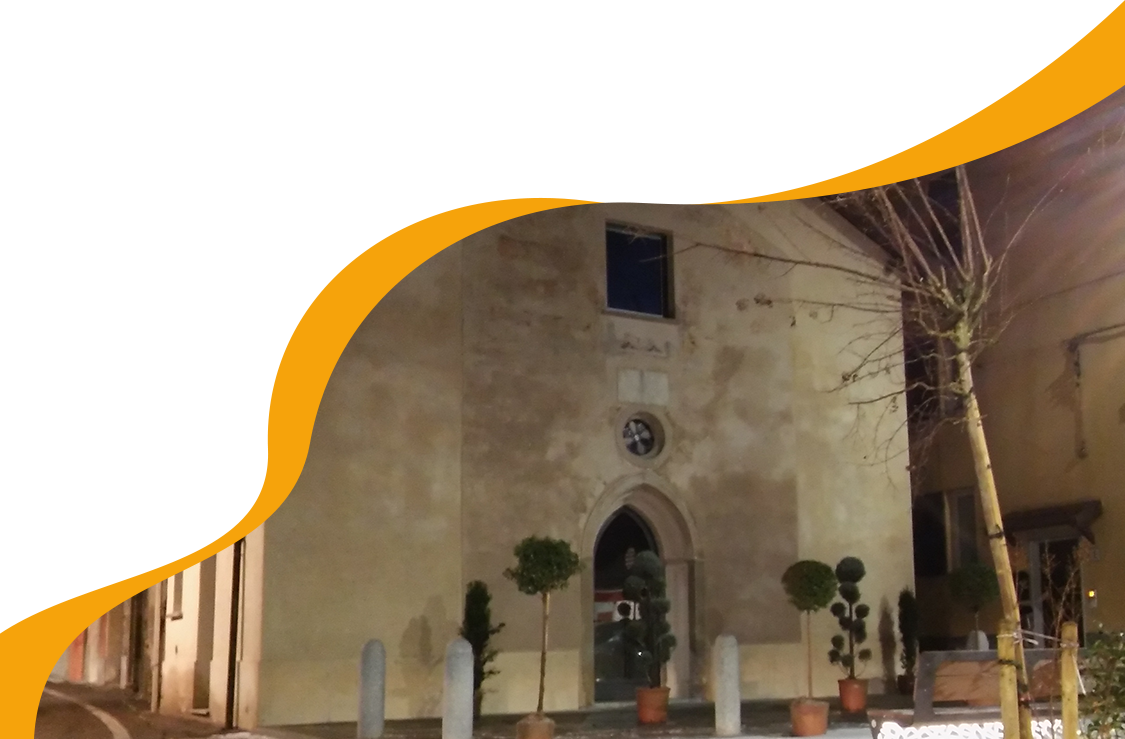
You can still admire the ecclesial layout overlooking the square with small fragments of twentieth-century decoration preserved along the sloping roof.
In 1977 the Confraternita dei Turchini sold the church to Mr. Molinari who used it as a warehouse for his grocery store, while leaving the decorative and architectural part of the interior with the adjoining Sacristy unchanged.
The church has a single hall plan, with a fully painted ribbed vault. On the sides of the altar (now disappeared) there are two openings, one towards the sacristy, the other giving access to the rooms towards the attic.
Probably deconsecrated around the seventies, then used for different uses and left to decay towards a state of degradation, it was acquired by the Municipality which renovated the interior.
You can still admire the ecclesial layout overlooking the square with small fragments of twentieth-century decoration preserved along the sloping roof.
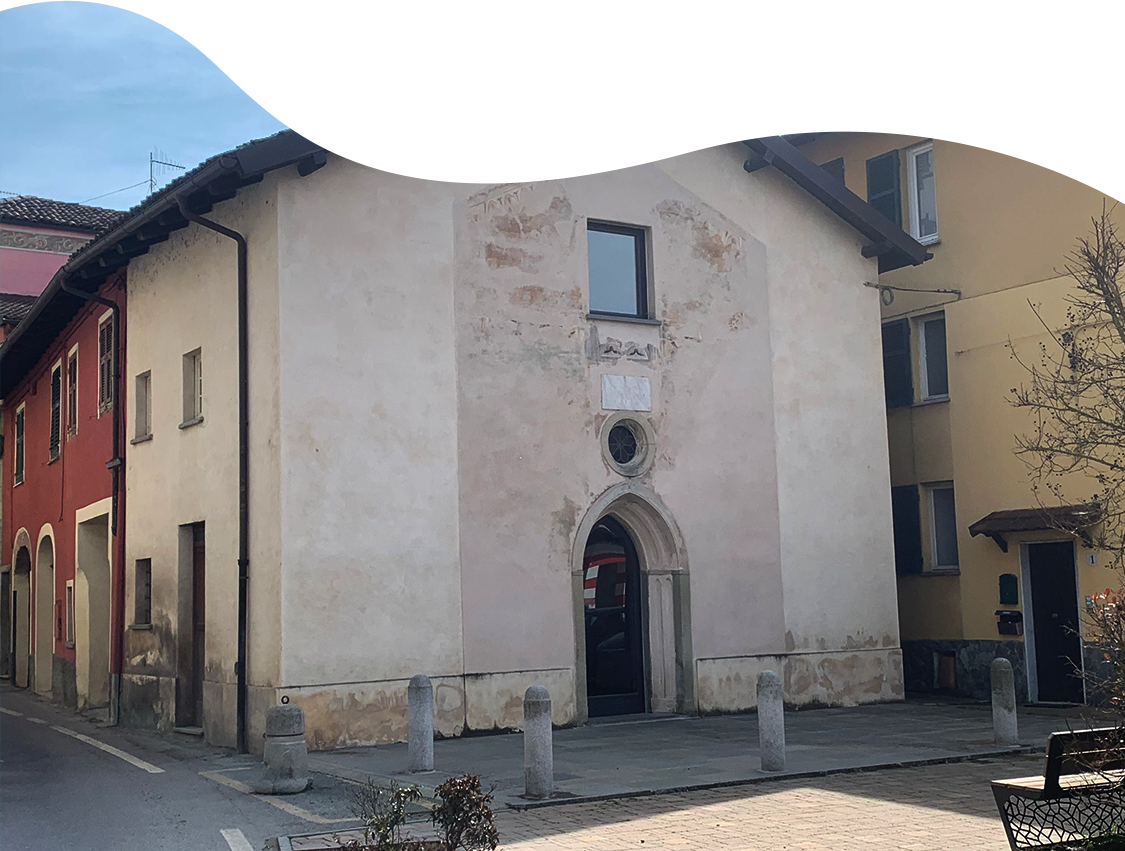
The interior retains a decoration, especially in the vault, which refers to the early 1900s, moment in which pictorial interventions were also made in the central nave of the Parish of San Giacomo. Stylistically, some decorations of the latter with a Gothic reflection are reflected in the vault of the church, as well as tones and colors (blues and darker tones) typical of the decorations of those years.
The walls have a less complex decoration, alternating bands of two colours, typical of the Ligurian decoration also frequently reported in lower Piedmont.
The back wall retains the niche that was to house the statue while the altar (probably in stucco) has been removed, but the perimeter imprint on the wall remains visible.
Today the small church is home to the music school dedicated to the great composer Angelo Francesco Lavagnino, who died in Gavi in 1987.
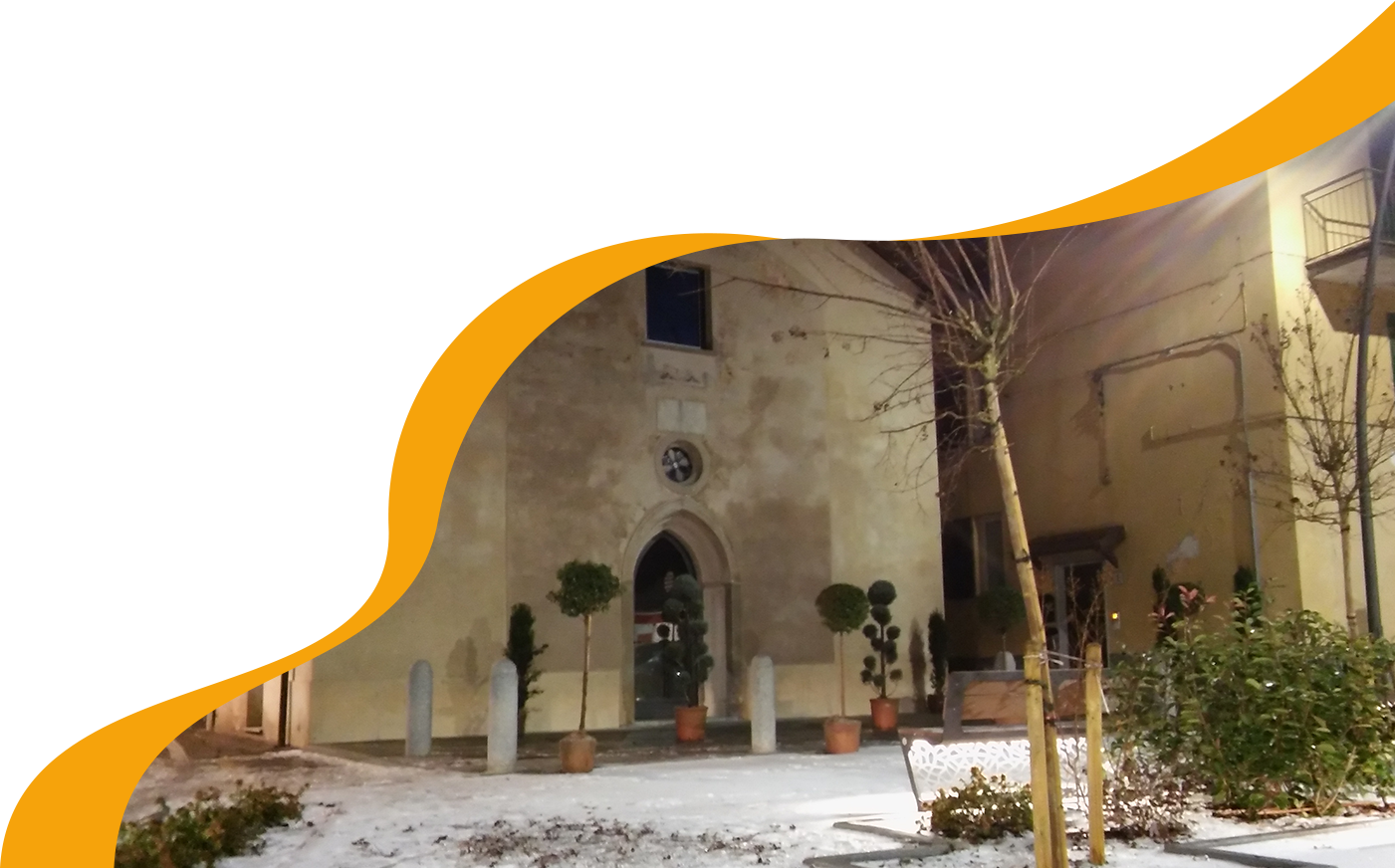
The interior retains a decoration, especially in the vault, which refers to the early 1900s, moment in which pictorial interventions were also made in the central nave of the Parish of San Giacomo. Stylistically, some decorations of the latter with a Gothic reflection are reflected in the vault of the church, as well as tones and colors (blues and darker tones) typical of the decorations of those years.
The walls have a less complex decoration, alternating bands of two colours, typical of the Ligurian decoration also frequently reported in lower Piedmont.
The back wall retains the niche that was to house the statue while the altar (probably in stucco) has been removed, but the perimeter imprint on the wall remains visible.
Today the small church is home to the music school dedicated to the great composer Angelo Francesco Lavagnino, who died in Gavi in 1987.
THE PATH
The itinerary develops for about 4 km, starting from the bus stop/ square in front of the Convent of NS delle Grazie and turning left onto the provincial road SP 162, near the local road on the left of the provincial road, take the path which runs along the Neirone;
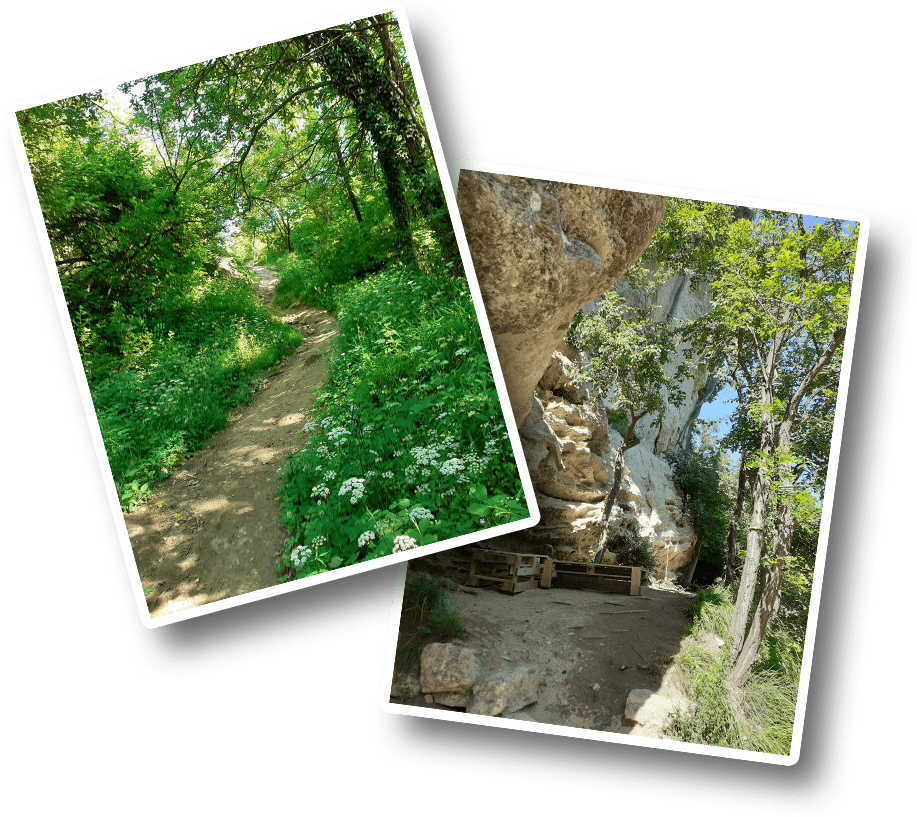
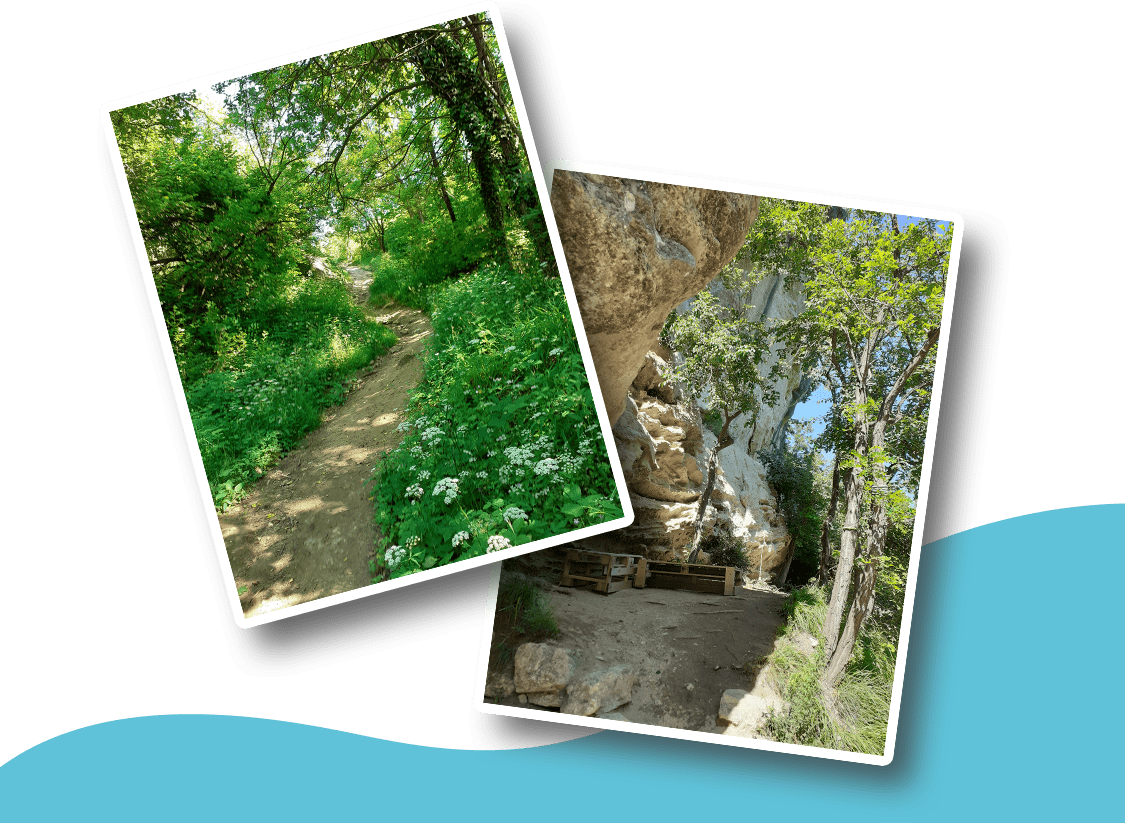
entering the wood, you come across a lawn area on the left intended as a rest area, for fitness activities and picnics;
continuing along the route, you skirt the Neirone in the direction of the Falesia.
THE PATH
The itinerary develops for about 4 km, starting from the bus stop/ square in front of the Convent of NS delle Grazie and turning left onto the provincial road SP 162, near the local road on the left of the provincial road, take the path which runs along the Neirone;
entering the wood, you come across a lawn area on the left intended as a rest area, for fitness activities and picnics;
continuing along the route, you skirt the Neirone in the direction of the Falesia.
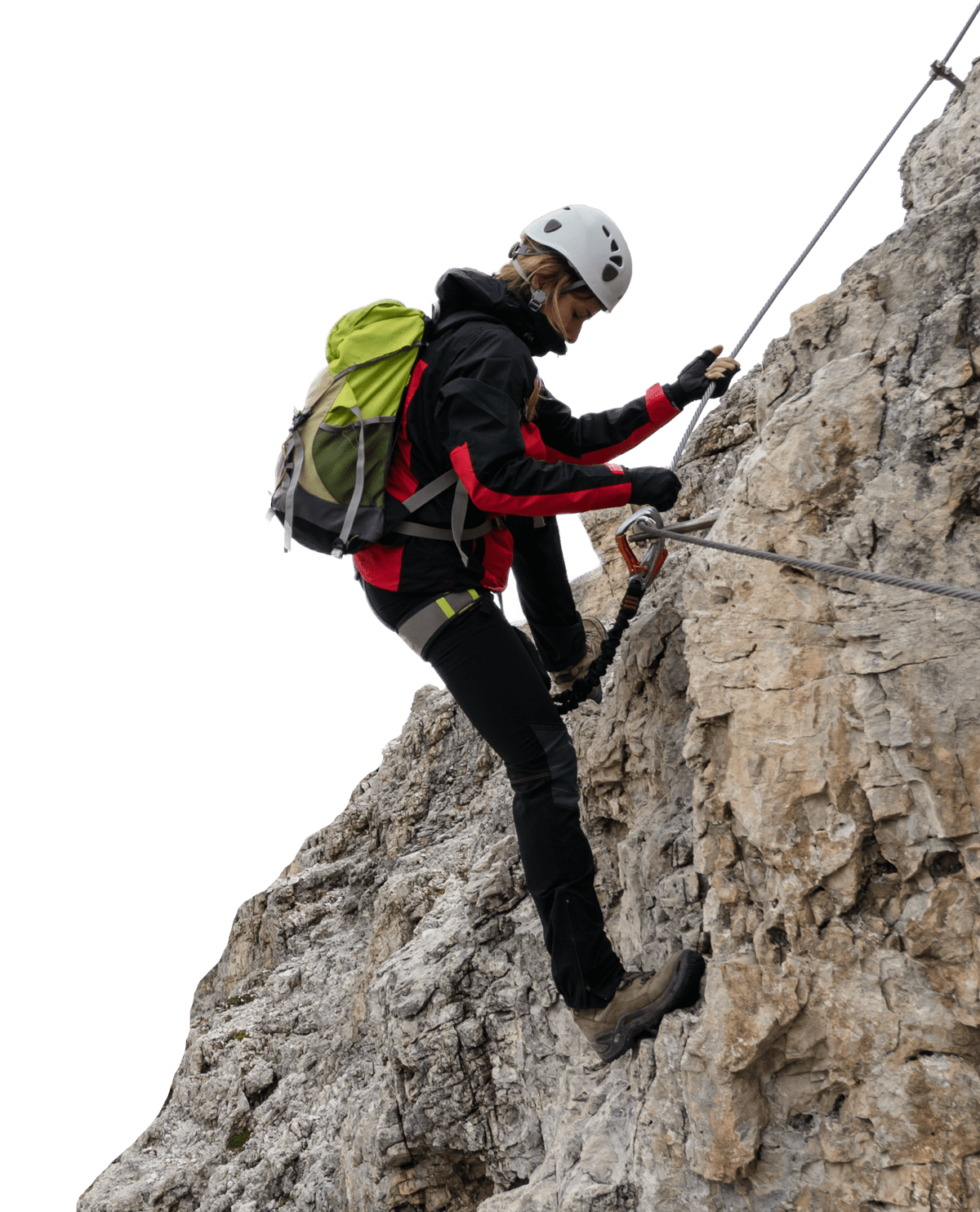
The Falesia area is already a renowned point known by climbing enthusiasts: in fact, there are over 50 climbing routes of varying difficulty, which can be tackled in all seasons, bearing in mind that the wall faces south and therefore in summer the area becomes very hot.
The Falesia area is already a renowned point known by climbing enthusiasts: in fact, there are over 50 climbing routes of varying difficulty, which can be tackled in all seasons, bearing in mind that the wall faces south and therefore in summer the area becomes very hot.
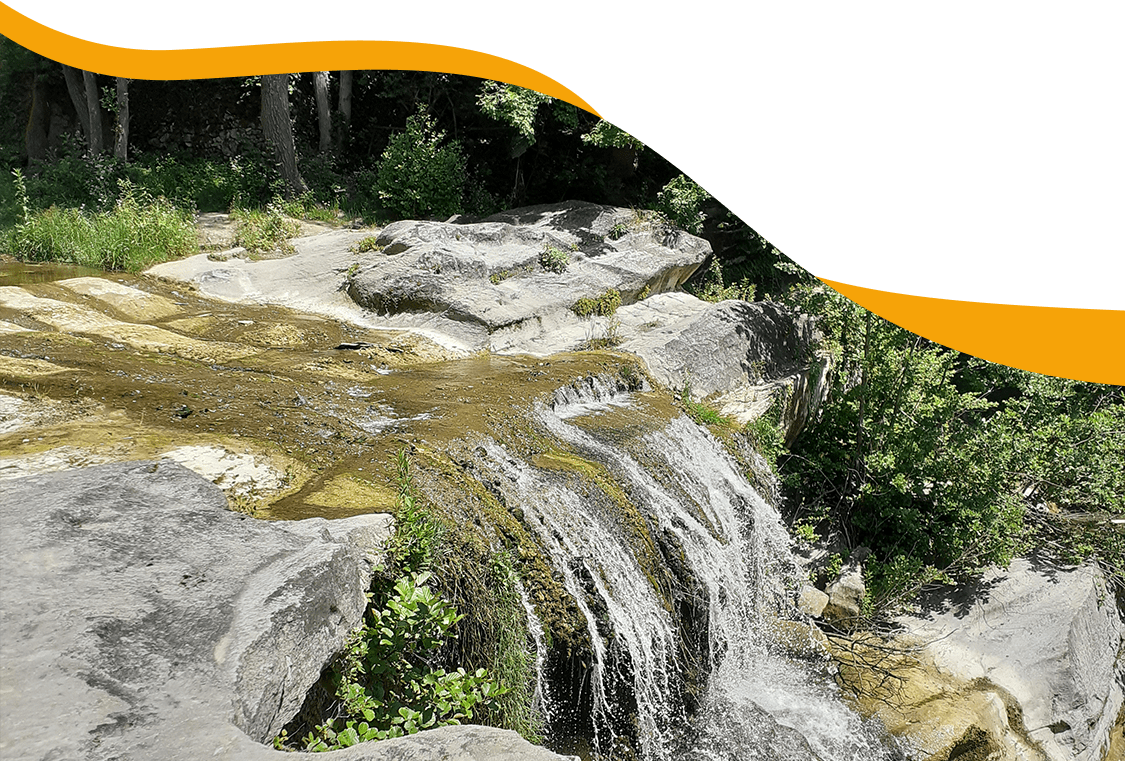
After passing the cliff, the path continues alongside the stream, offering enchanting views both of the Fort and of natural areas and the remains of ancient stone buildings up to the crossing with the stream, at which point a ford is expected to be built in order to resume the path. in the direction of the “Cascata del Neirone”.
After passing the cliff, the path continues alongside the stream, offering enchanting views both of the Fort and of natural areas and the remains of ancient stone buildings up to the crossing with the stream, at which point a ford is expected to be built in order to resume the path. in the direction of the “Cascata del Neirone”.
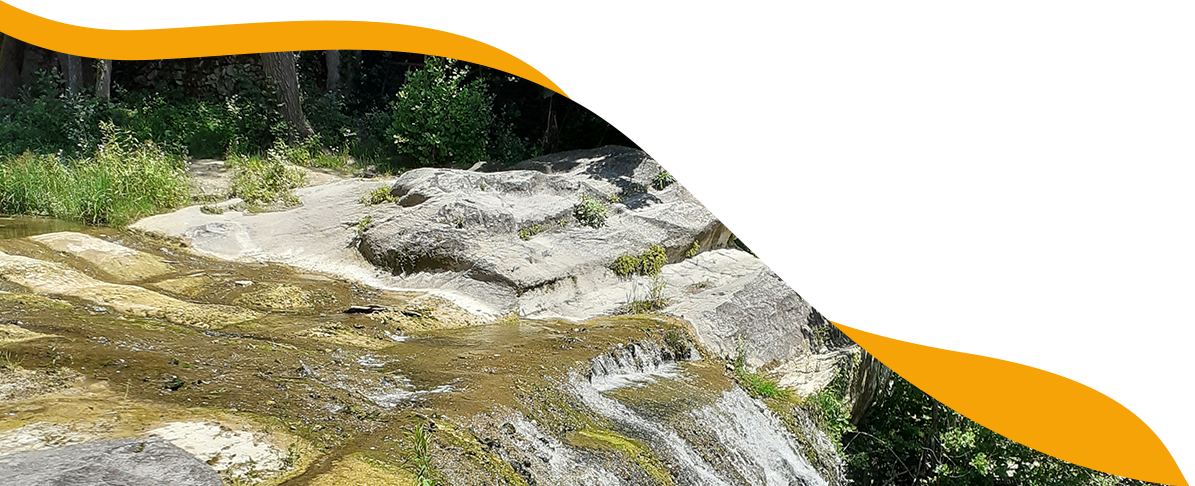
Before reaching the waterfall, the route crosses the stream again via a ford to make it easier to cross; once past the Neirone, continue until you meet the SP 160 road and reach the historic centre.
The route crosses the entire historic center touching the main historic buildings.
Before reaching the waterfall, the route crosses the stream again via a ford to make it easier to cross; once past the Neirone, continue until you meet the SP 160 road and reach the historic centre.
The route crosses the entire historic center touching the main historic buildings.