

IL PORTINO
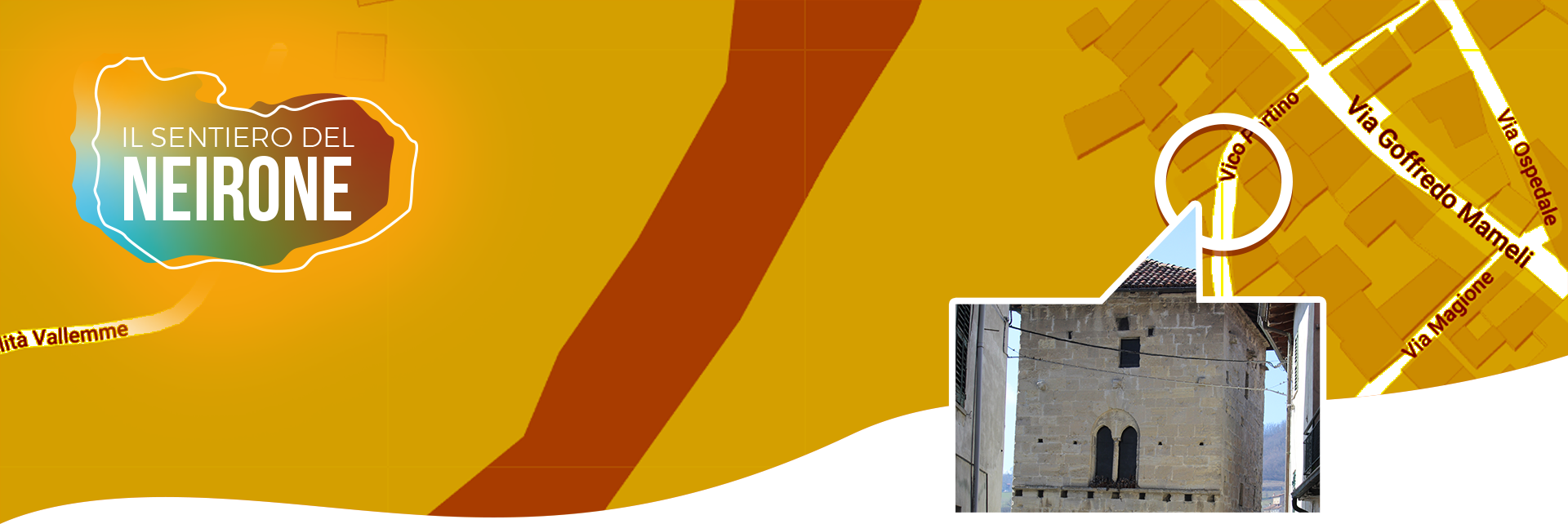
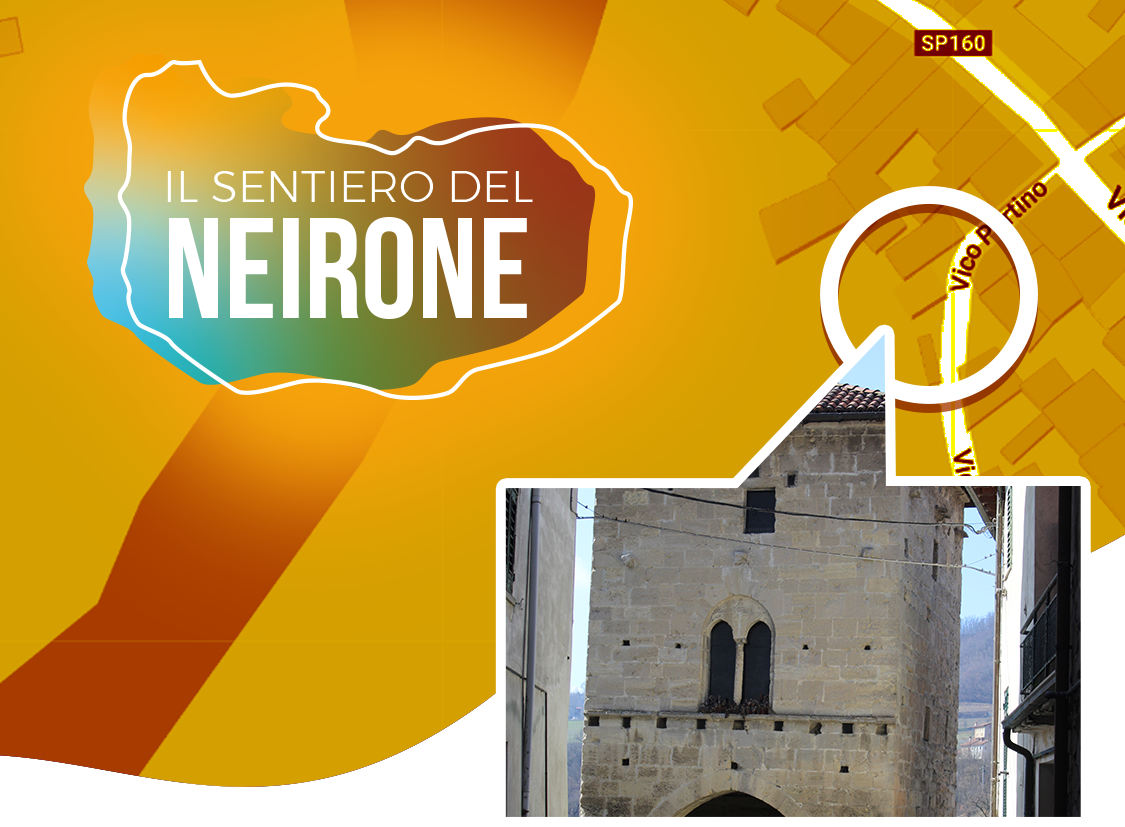
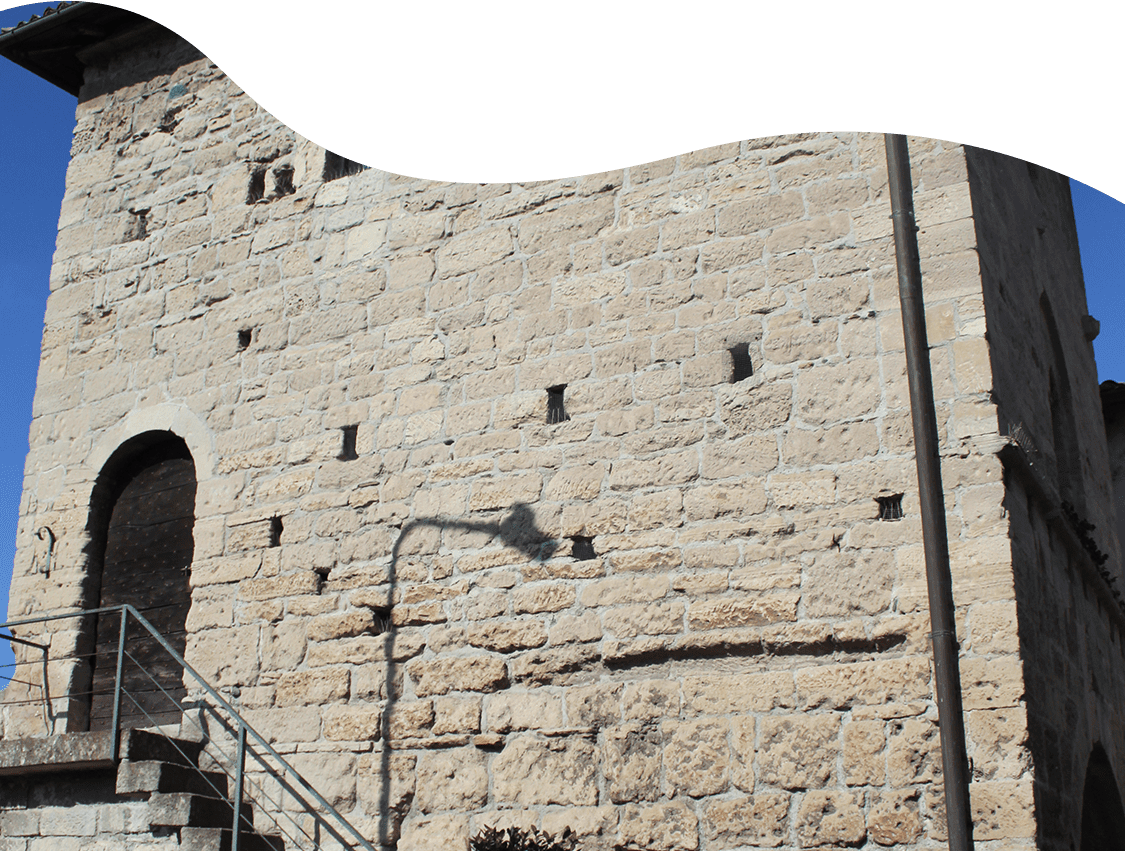
The Portino, called “di Bagnacavallo” because it allowed to reach the ancient, homonymous, mill prior to 1200, represents the only one of the four medieval gates of Gavi still visible.
IL PORTINO
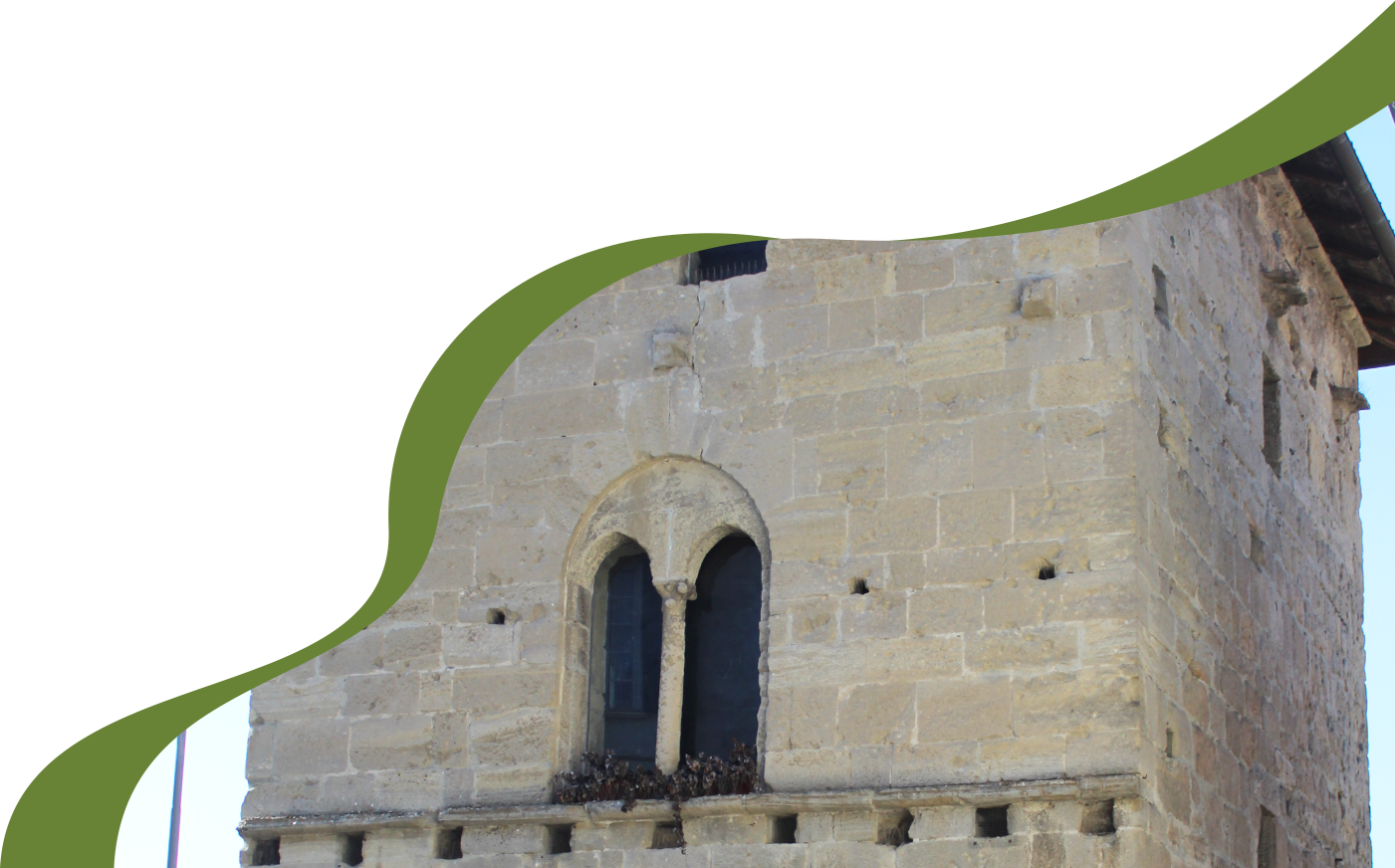
The Portino, called “di Bagnacavallo” because it allowed to reach the ancient, homonymous, mill prior to 1200, represents the only one of the four medieval gates of Gavi still visible.
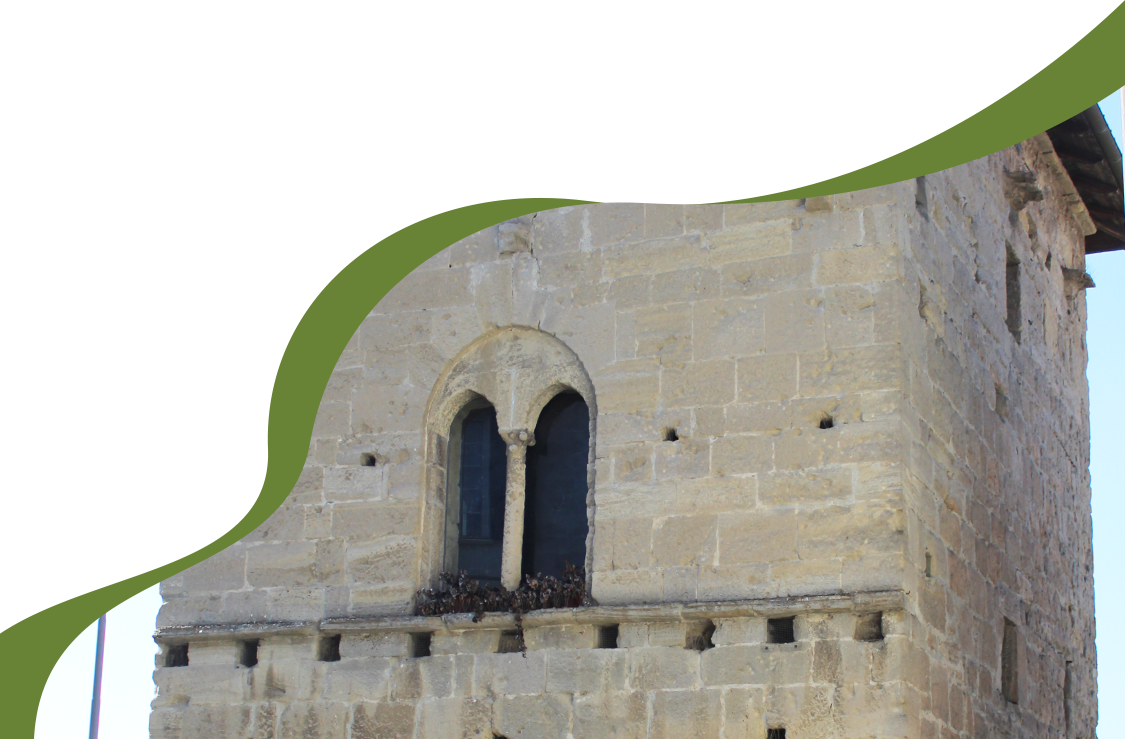
Dating back to the 13th century, it consisted of a ramp that rose parallel to the walls and which, having reached the height of the Portino, turned abruptly in the direction of the town: this configuration made it impossible for the besiegers to attack the town frontally.
Inside, on the vault, a machicolation from which it was possible to drop bullets, arrows and red-hot sand on the besiegers to defend the entrance.
Dating back to the 13th century, it consisted of a ramp that rose parallel to the walls and which, having reached the height of the Portino, turned abruptly in the direction of the town: this configuration made it impossible for the besiegers to attack the town frontally.
Inside, on the vault, a machicolation from which it was possible to drop bullets, arrows and red-hot sand on the besiegers to defend the entrance.
THE PATH
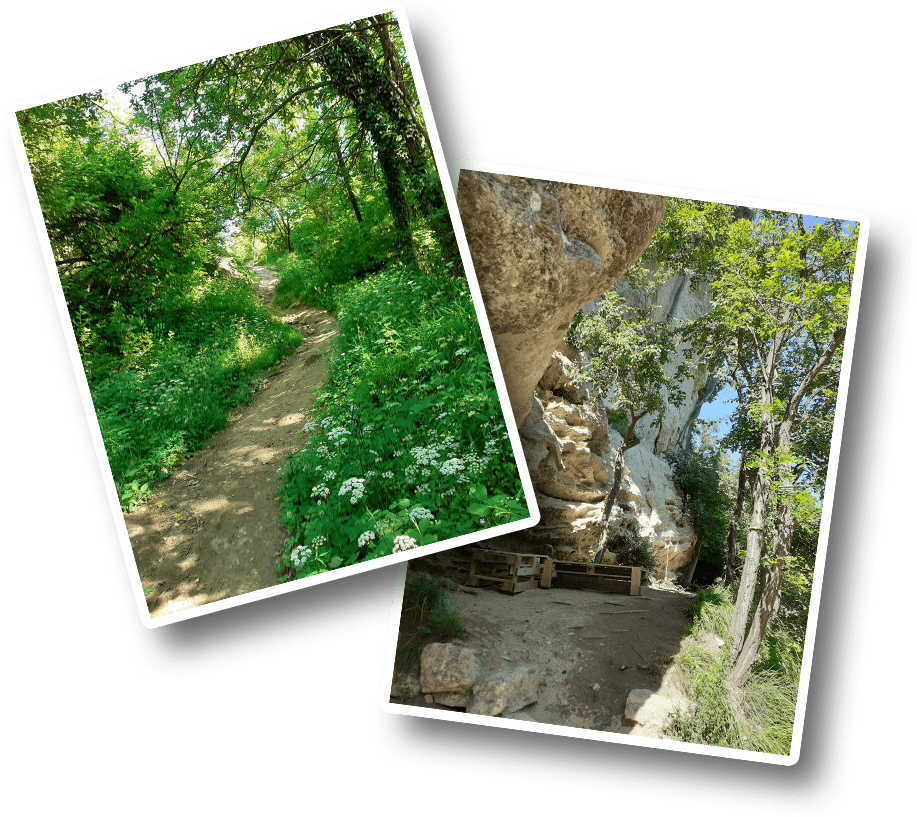
The itinerary develops for about 4 km, starting from the bus stop/ square in front of the Convent of NS delle Grazie and turning left onto the provincial road SP 162, near the local road on the left of the provincial road, take the path which runs along the Neirone;
entering the wood, you come across a lawn area on the left intended as a rest area, for fitness activities and picnics;
continuing along the route, you skirt the Neirone in the direction of the Falesia.
THE PATH
The itinerary develops for about 4 km, starting from the bus stop/ square in front of the Convent of NS delle Grazie and turning left onto the provincial road SP 162, near the local road on the left of the provincial road, take the path which runs along the Neirone;
entering the wood, you come across a lawn area on the left intended as a rest area, for fitness activities and picnics;
continuing along the route, you skirt the Neirone in the direction of the Falesia.
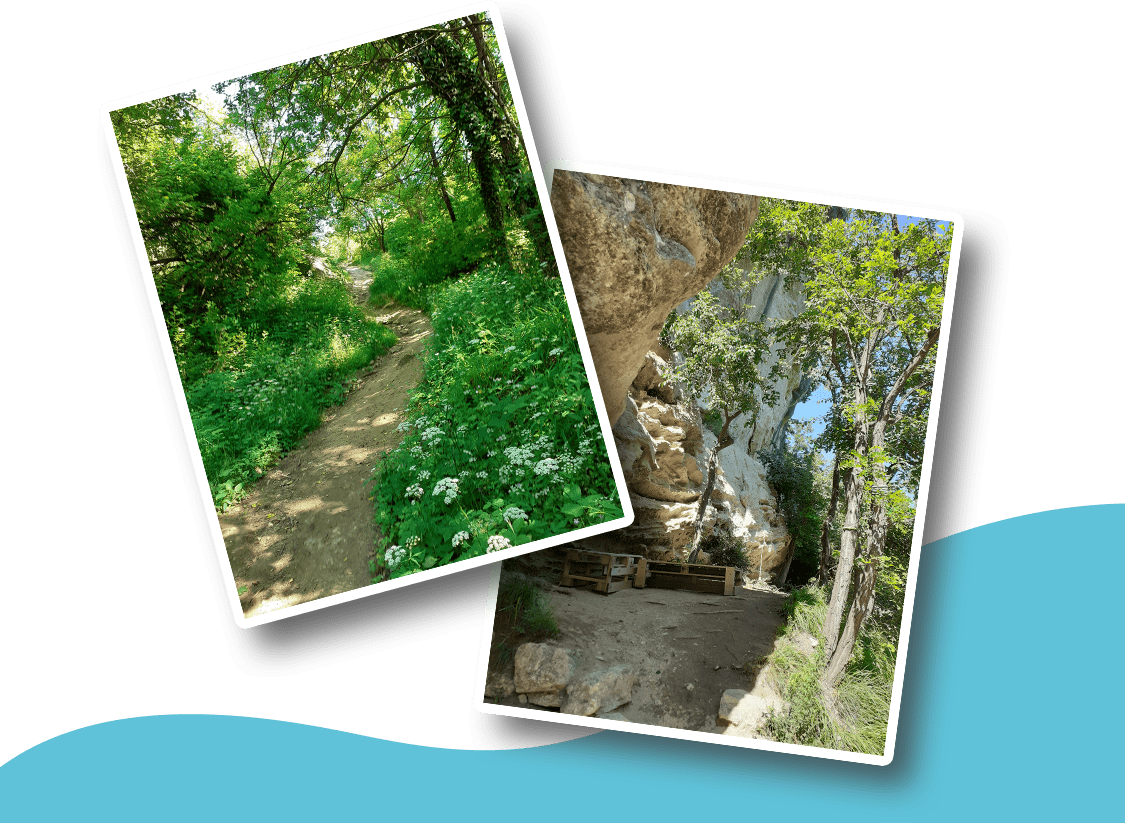
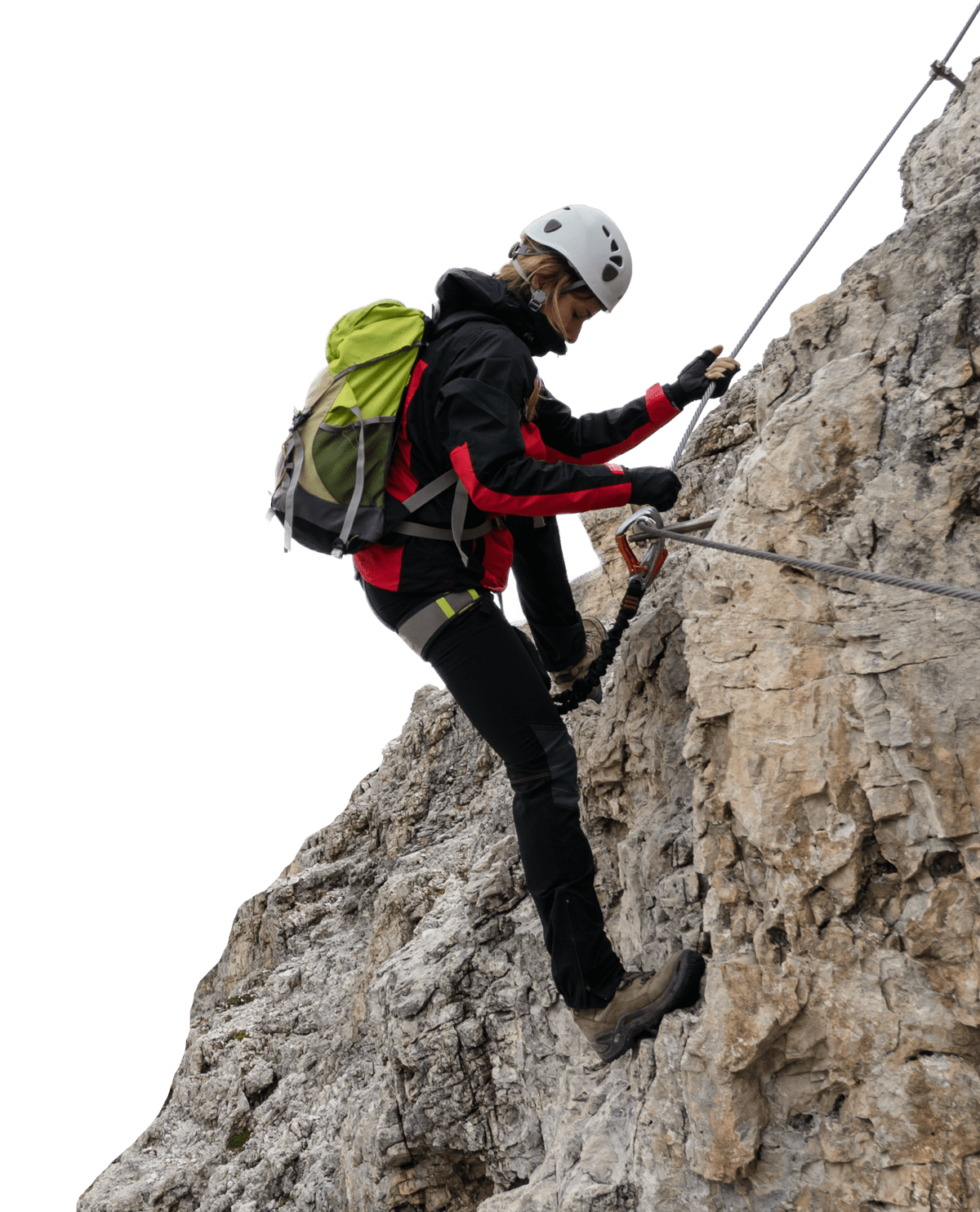
The Falesia area is already a renowned point known by climbing enthusiasts: in fact, there are over 50 climbing routes of varying difficulty, which can be tackled in all seasons, bearing in mind that the wall faces south and therefore in summer the area becomes very hot.
The Falesia area is already a renowned point known by climbing enthusiasts: in fact, there are over 50 climbing routes of varying difficulty, which can be tackled in all seasons, bearing in mind that the wall faces south and therefore in summer the area becomes very hot.
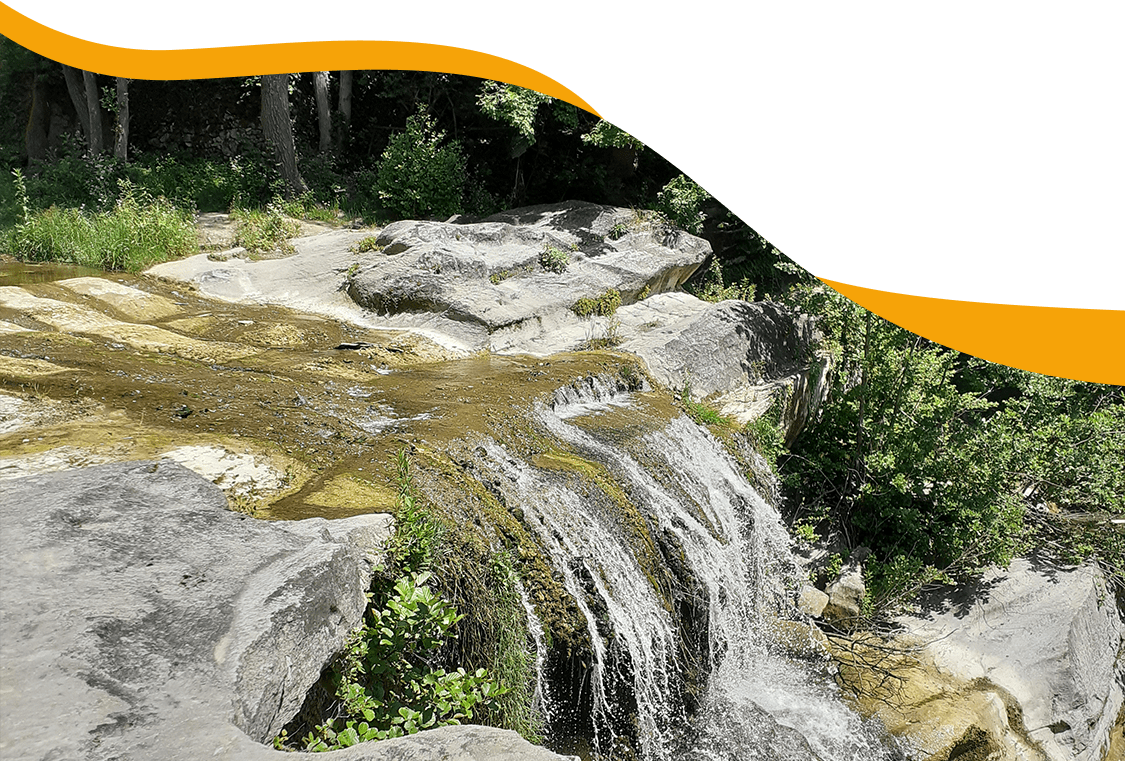
After passing the cliff, the path continues alongside the stream, offering enchanting views both of the Fort and of natural areas and the remains of ancient stone buildings up to the crossing with the stream, at which point a ford is expected to be built in order to resume the path. in the direction of the “Cascata del Neirone”.
After passing the cliff, the path continues alongside the stream, offering enchanting views both of the Fort and of natural areas and the remains of ancient stone buildings up to the crossing with the stream, at which point a ford is expected to be built in order to resume the path. in the direction of the “Cascata del Neirone”.
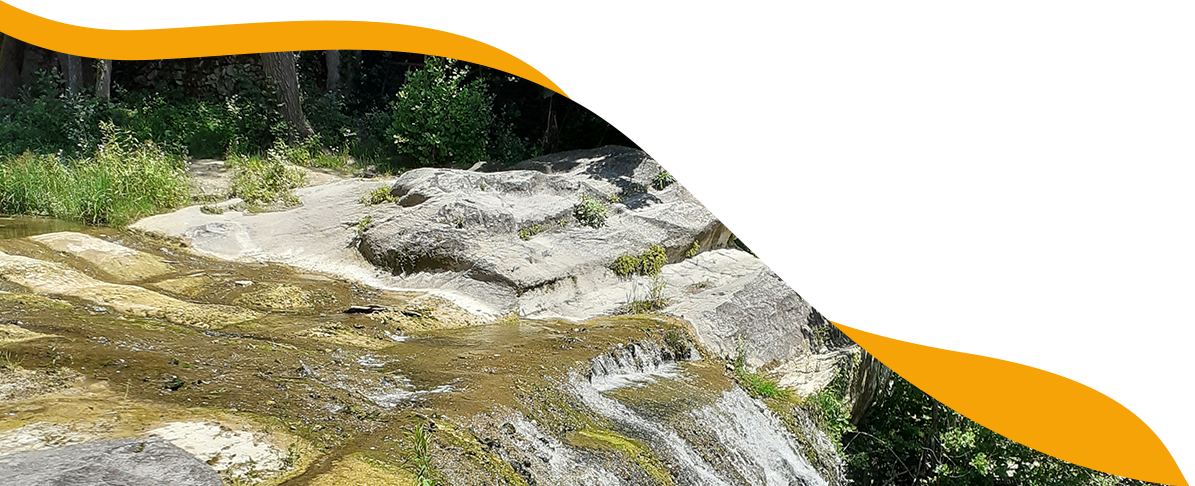
Before reaching the waterfall, the route crosses the stream again via a ford to make it easier to cross; once past the Neirone, continue until you meet the SP 160 road and reach the historic centre.
The route crosses the entire historic center touching the main historic buildings.
Before reaching the waterfall, the route crosses the stream again via a ford to make it easier to cross; once past the Neirone, continue until you meet the SP 160 road and reach the historic centre.
The route crosses the entire historic center touching the main historic buildings.