

CONVENTO NOSTRA SIGNORA DELLE GRAZIE
According to tradition, it was a Genoese soldier who created the painting on a stone pylon in thanksgiving for the victory won in the bloody battle of Tassara, fought on the plain of Valle in 1198 between the Genoese and the Marquis of Gavi Guido Obertenghi with the allies from Tortona.
Around 1420 San Bernardino of Siena speaks to the numerous faithful gathered near the aedicule built to protect the Madonna. Bernardino departed, the pylon with the Madonna di Valle continued to be the center of devotion of the faithful.
CONVENTO NOSTRA SIGNORA DELLE GRAZIE
According to tradition, it was a Genoese soldier who created the painting on a stone pylon in thanksgiving for the victory won in the bloody battle of Tassara, fought on the plain of Valle in 1198 between the Genoese and the Marquis of Gavi Guido Obertenghi with the allies from Tortona.
Around 1420 San Bernardino of Siena speaks to the numerous faithful gathered near the aedicule built to protect the Madonna. Bernardino departed, the pylon with the Madonna di Valle continued to be the center of devotion of the faithful.
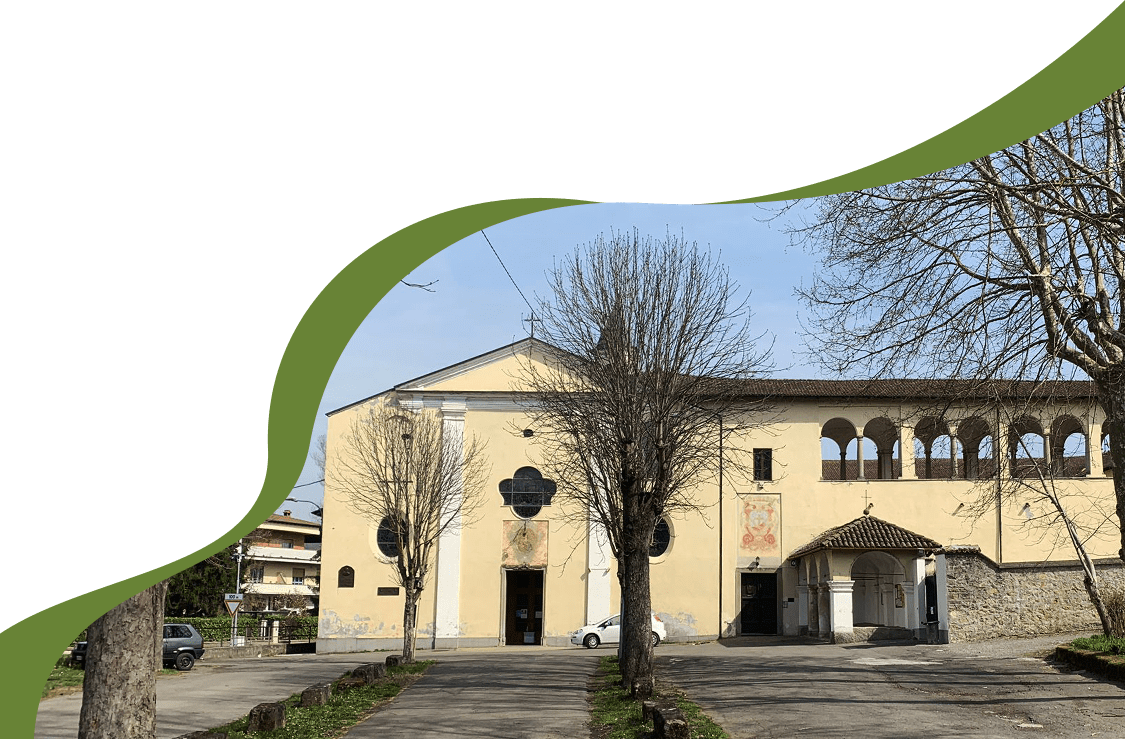
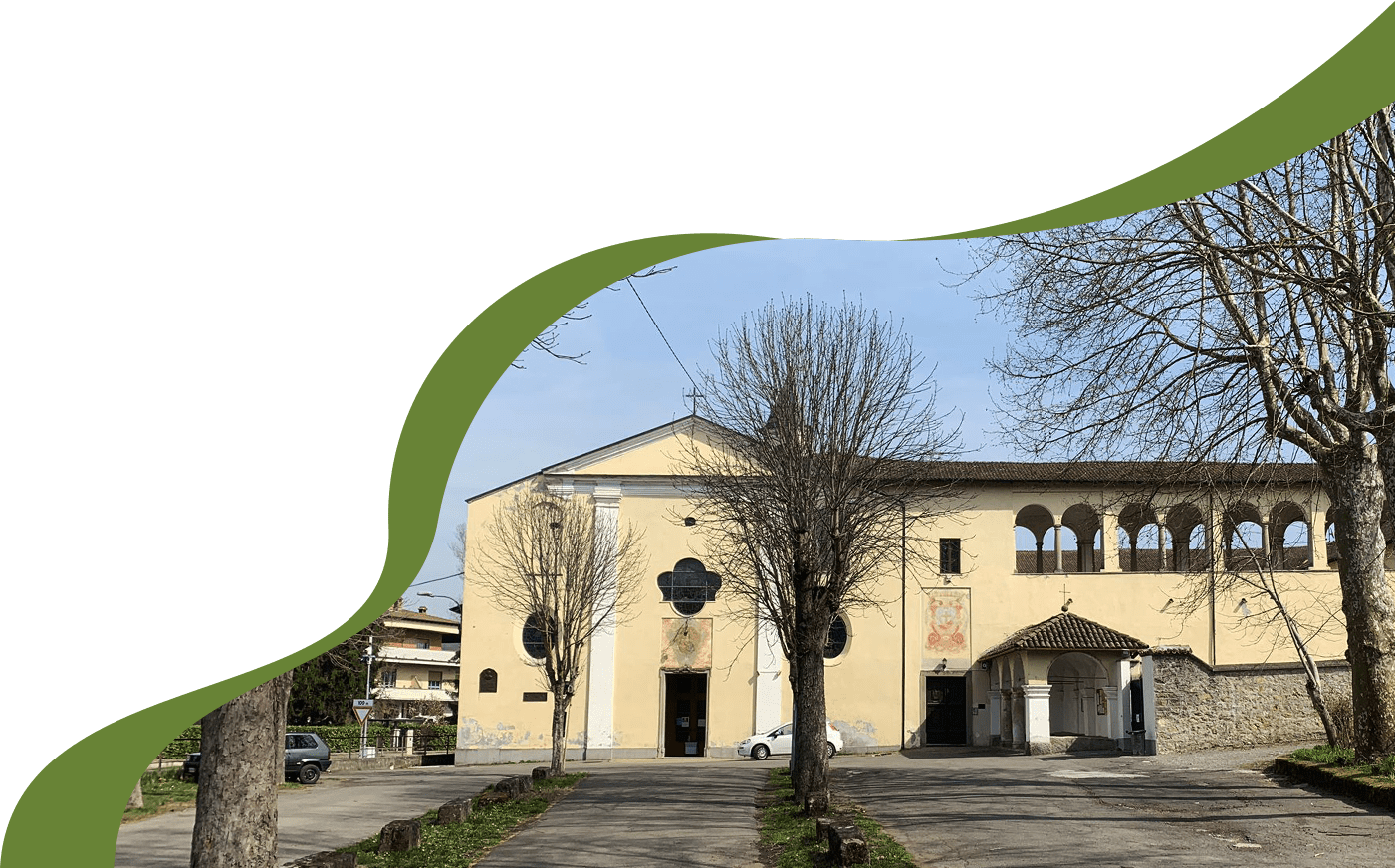
The “cell” of the Madonna, which has become a continuous destination for pilgrims, became the current large church with the arrival of the Franciscan Friars in the year 1600, incorporating the ancient pylon with the painted Madonna on the left side.
On the high altar there is the image of the Madonna also known as “della riga” from the particular parting that divides her hair.
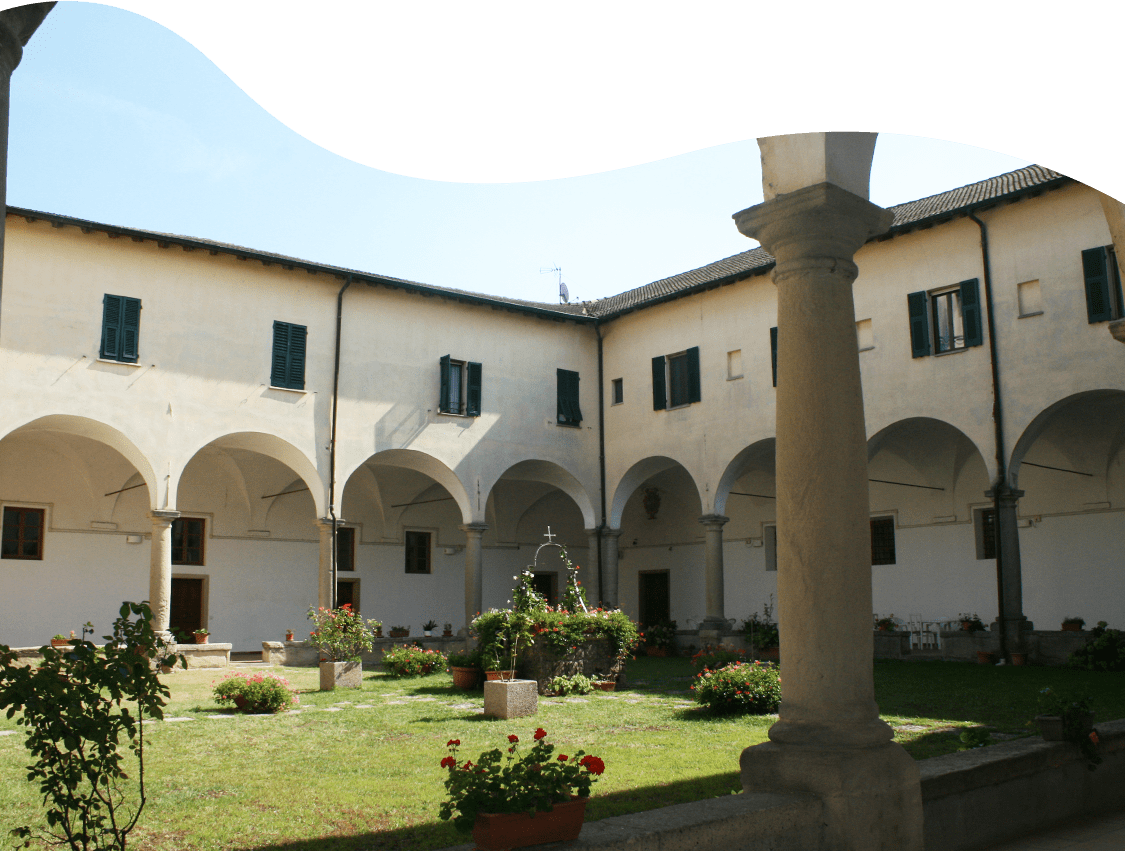
In the side aisles there are 6 niches with wooden statues from the 18th century and the marble statue of S. Bernardino from 1455. Next to the church is the Convent with a suggestive bright cloister.
The “cell” of the Madonna, which has become a continuous destination for pilgrims, became the current large church with the arrival of the Franciscan Friars in the year 1600, incorporating the ancient pylon with the painted Madonna on the left side.
On the high altar there is the image of the Madonna also known as “della riga” from the particular parting that divides her hair.
In the side aisles there are 6 niches with wooden statues from the 18th century and the marble statue of S. Bernardino from 1455. Next to the church is the Convent with a suggestive bright cloister.
THE PATH
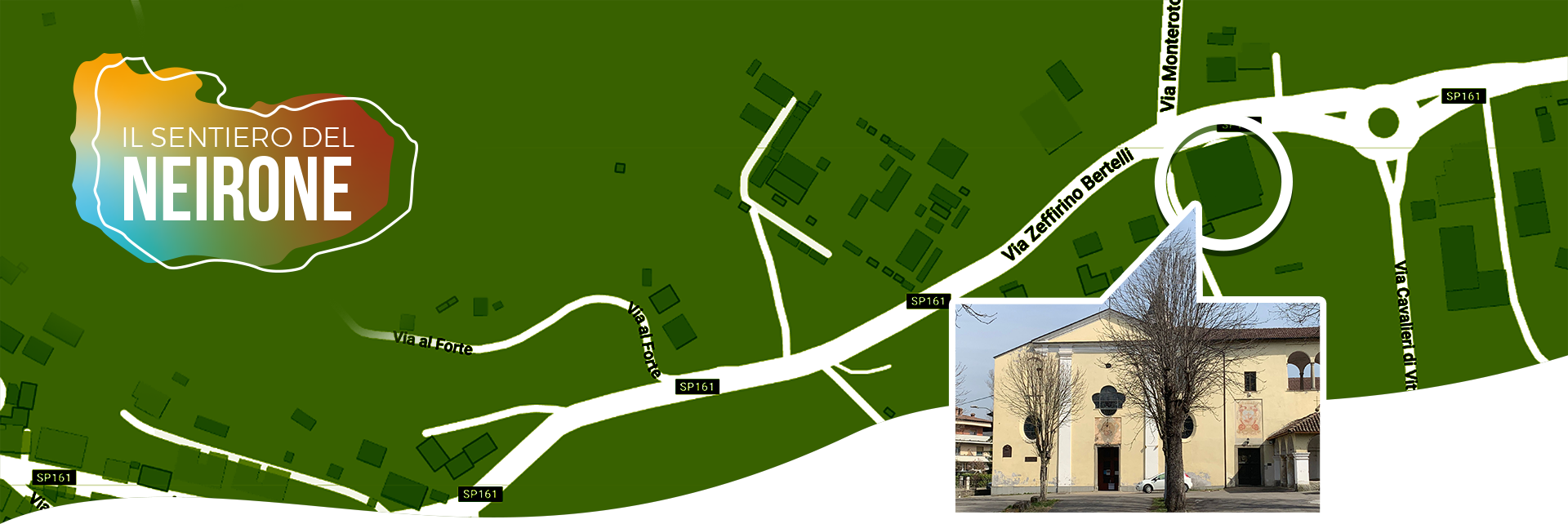
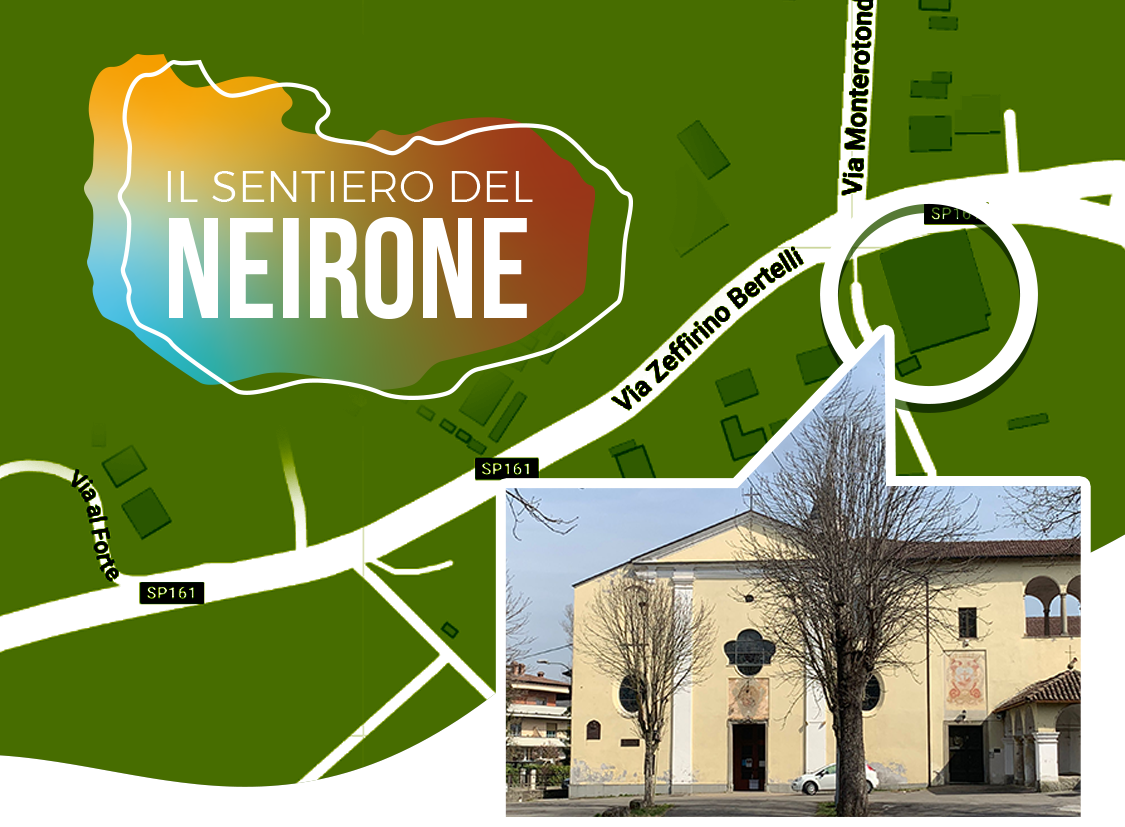
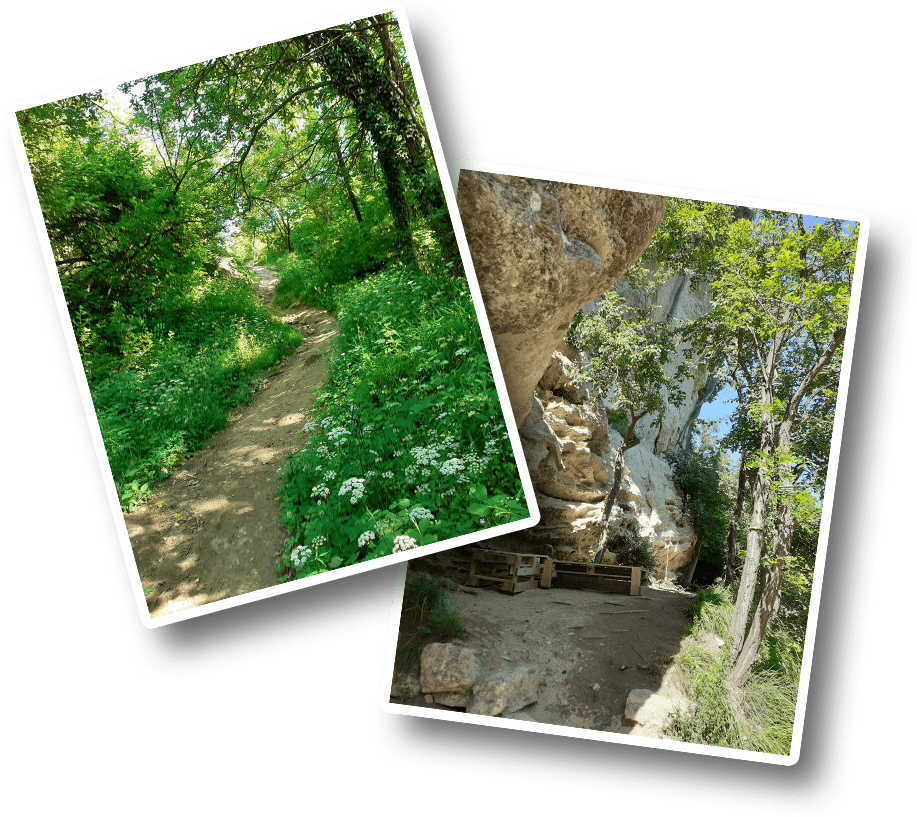
The itinerary develops for about 4 km, starting from the bus stop/ square in front of the Convent of NS delle Grazie and turning left onto the provincial road SP 162, near the local road on the left of the provincial road, take the path which runs along the Neirone;
entering the wood, you come across a lawn area on the left intended as a rest area, for fitness activities and picnics;
continuing along the route, you skirt the Neirone in the direction of the Falesia.
THE PATH
The itinerary develops for about 4 km, starting from the bus stop/ square in front of the Convent of NS delle Grazie and turning left onto the provincial road SP 162, near the local road on the left of the provincial road, take the path which runs along the Neirone;
entering the wood, you come across a lawn area on the left intended as a rest area, for fitness activities and picnics;
continuing along the route, you skirt the Neirone in the direction of the Falesia.
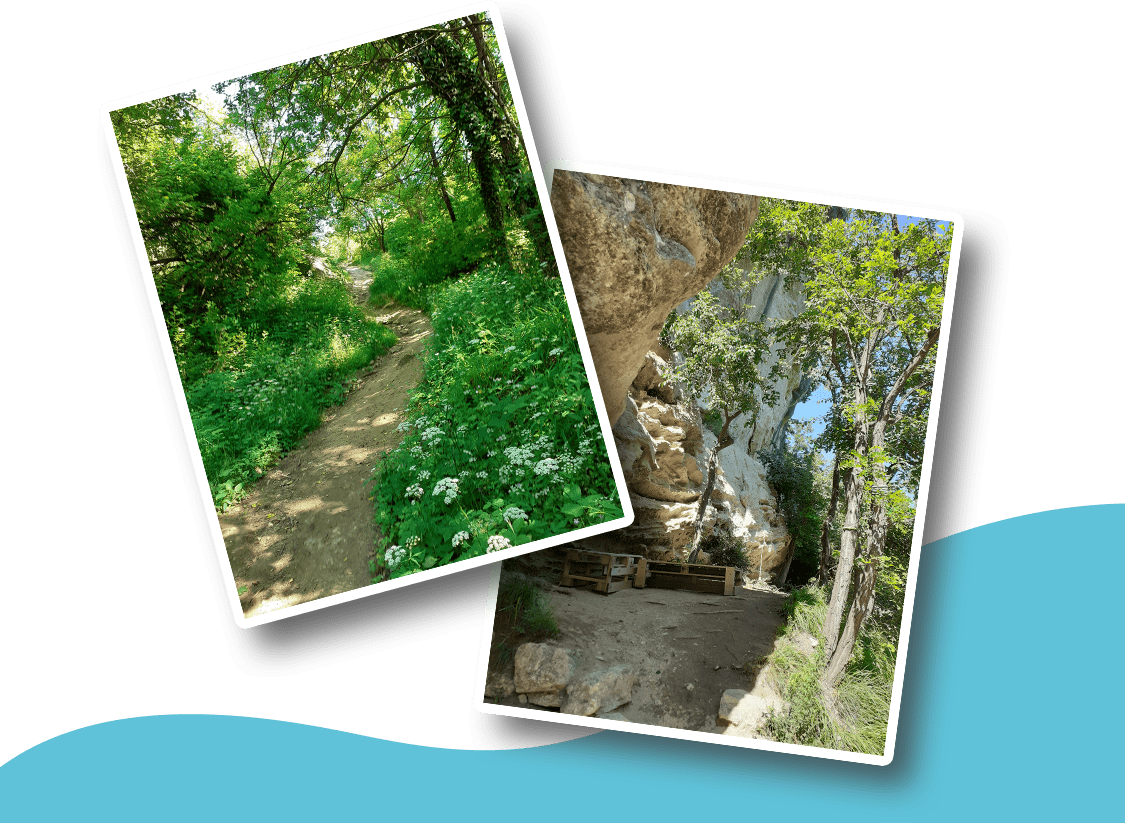
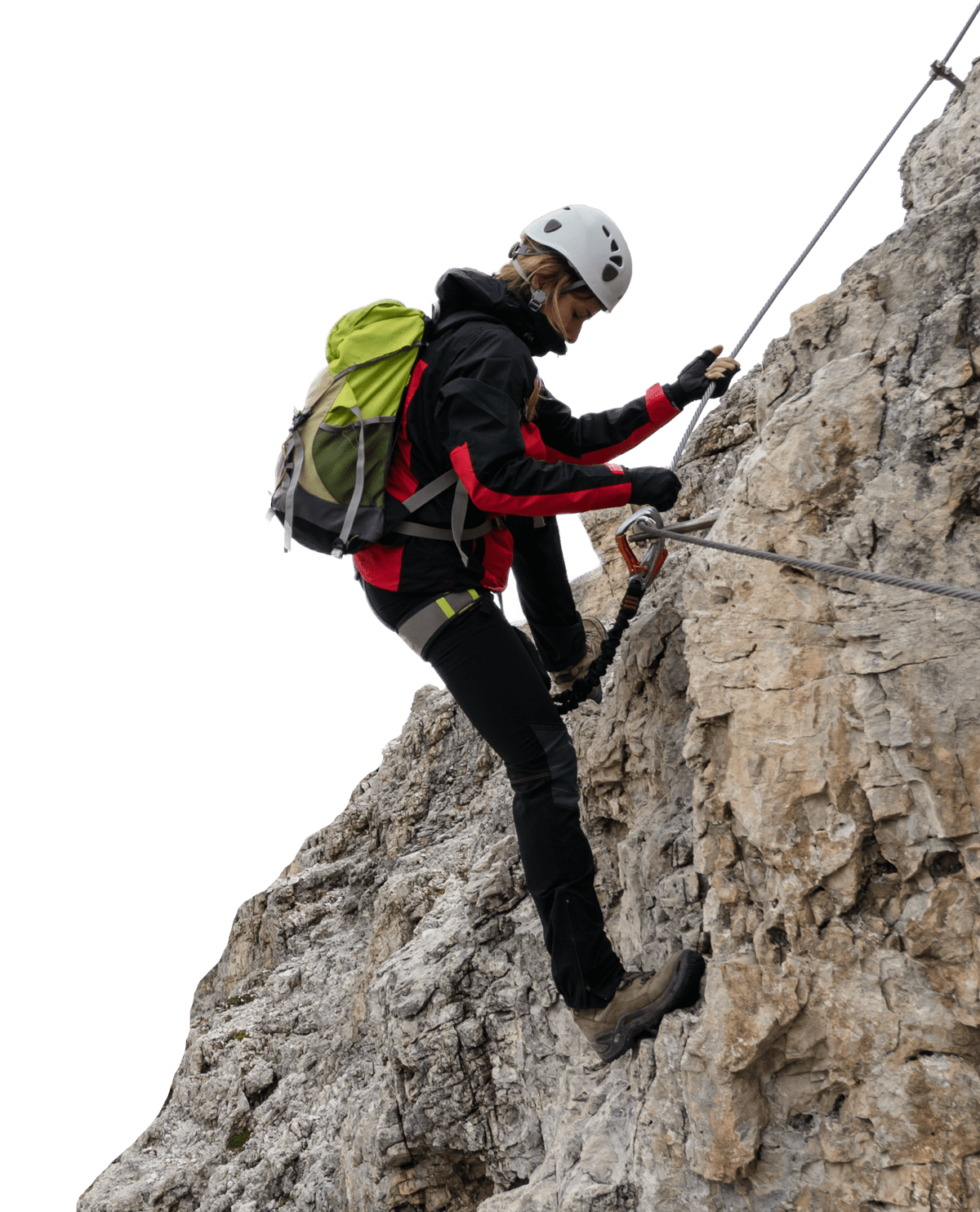
The Falesia area is already a renowned point known by climbing enthusiasts: in fact, there are over 50 climbing routes of varying difficulty, which can be tackled in all seasons, bearing in mind that the wall faces south and therefore in summer the area becomes very hot.
The Falesia area is already a renowned point known by climbing enthusiasts: in fact, there are over 50 climbing routes of varying difficulty, which can be tackled in all seasons, bearing in mind that the wall faces south and therefore in summer the area becomes very hot.
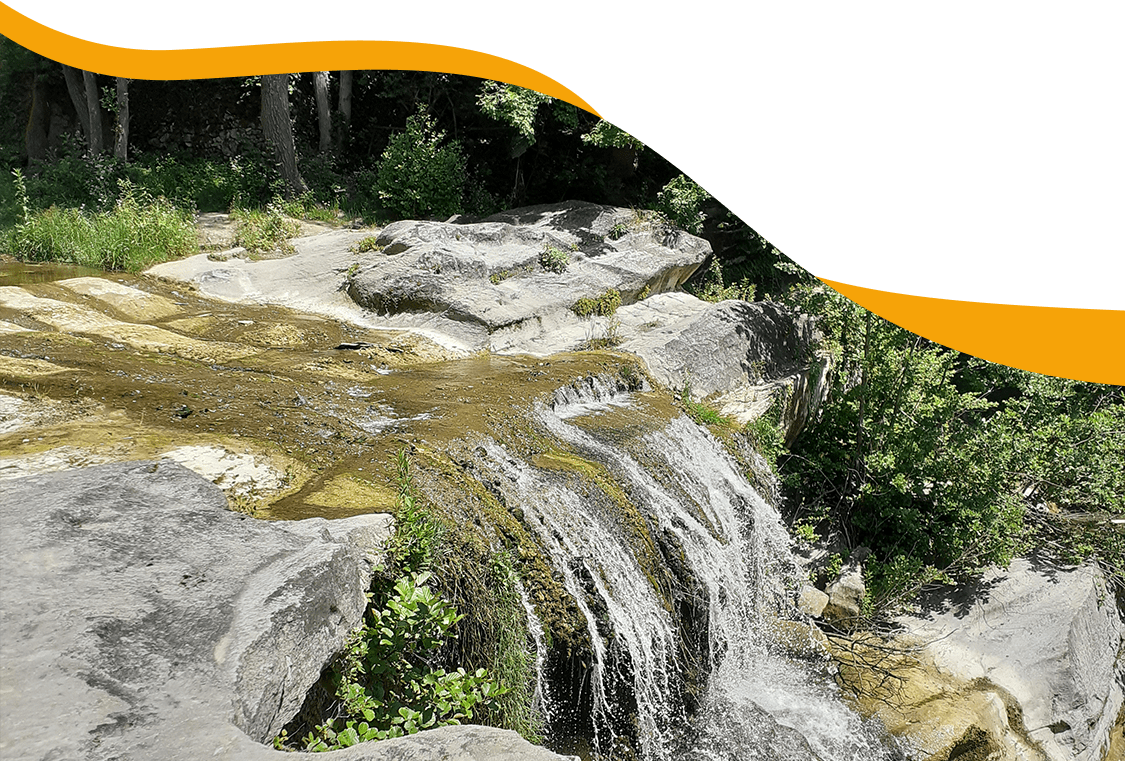
After passing the cliff, the path continues alongside the stream, offering enchanting views both of the Fort and of natural areas and the remains of ancient stone buildings up to the crossing with the stream, at which point a ford is expected to be built in order to resume the path. in the direction of the “Cascata del Neirone”.
After passing the cliff, the path continues alongside the stream, offering enchanting views both of the Fort and of natural areas and the remains of ancient stone buildings up to the crossing with the stream, at which point a ford is expected to be built in order to resume the path. in the direction of the “Cascata del Neirone”.
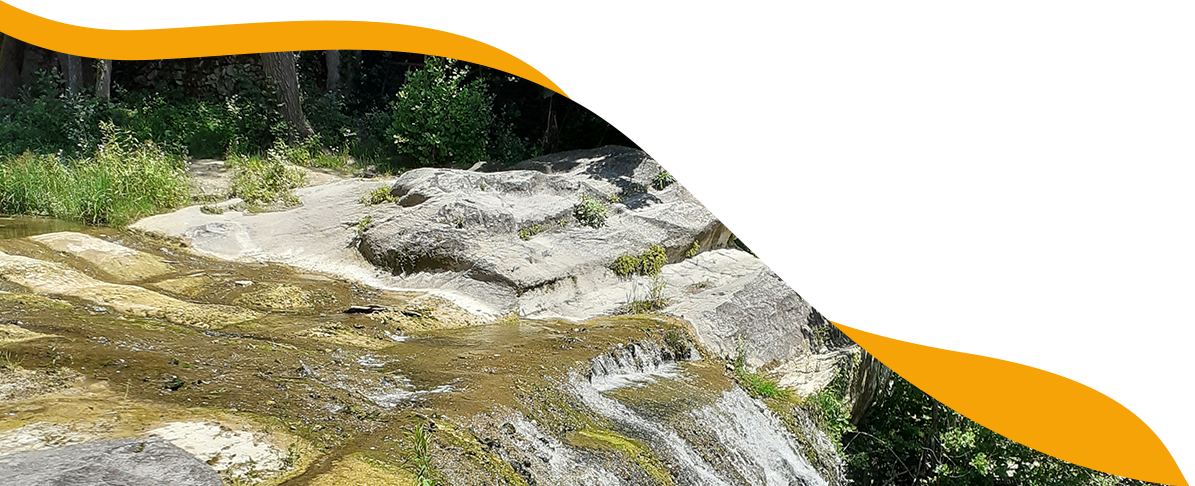
Before reaching the waterfall, the route crosses the stream again via a ford to make it easier to cross; once past the Neirone, continue until you meet the SP 160 road and reach the historic centre.
The route crosses the entire historic center touching the main historic buildings.
Before reaching the waterfall, the route crosses the stream again via a ford to make it easier to cross; once past the Neirone, continue until you meet the SP 160 road and reach the historic centre.
The route crosses the entire historic center touching the main historic buildings.